Lonely in a Crowded Room
Navigating my internal world can be lonely, especially when I can't find the words for what's happening inside me.
Brian Tolbert
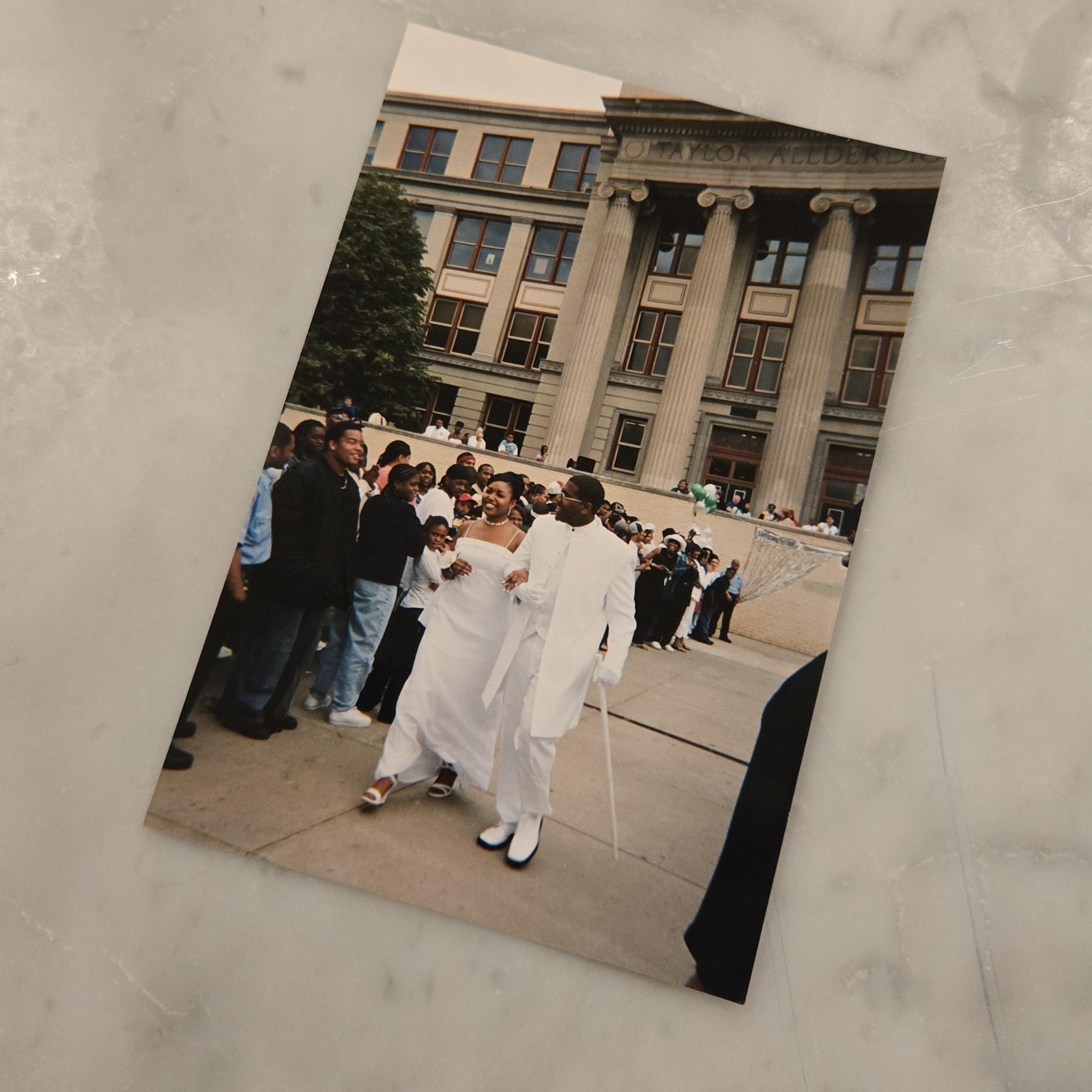
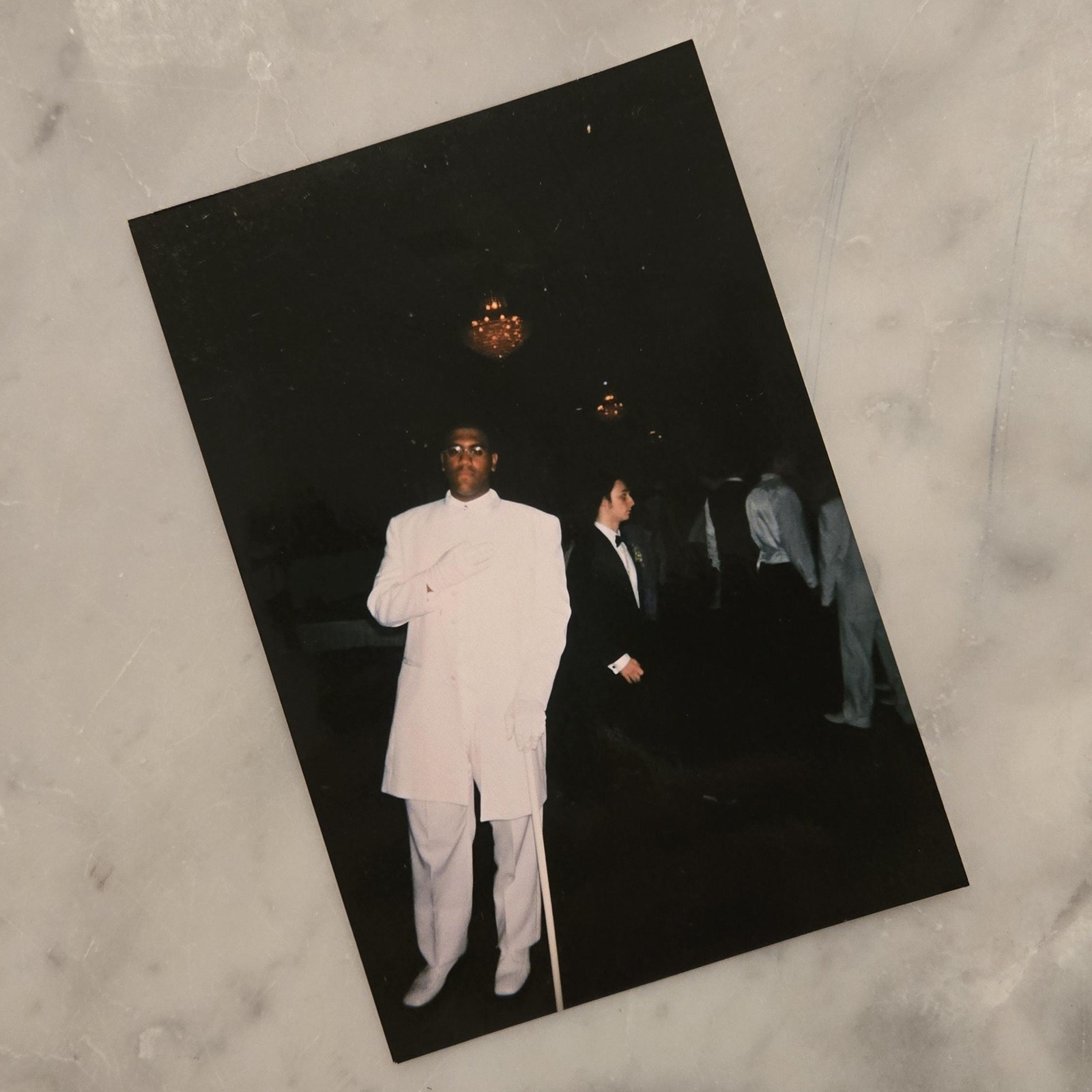
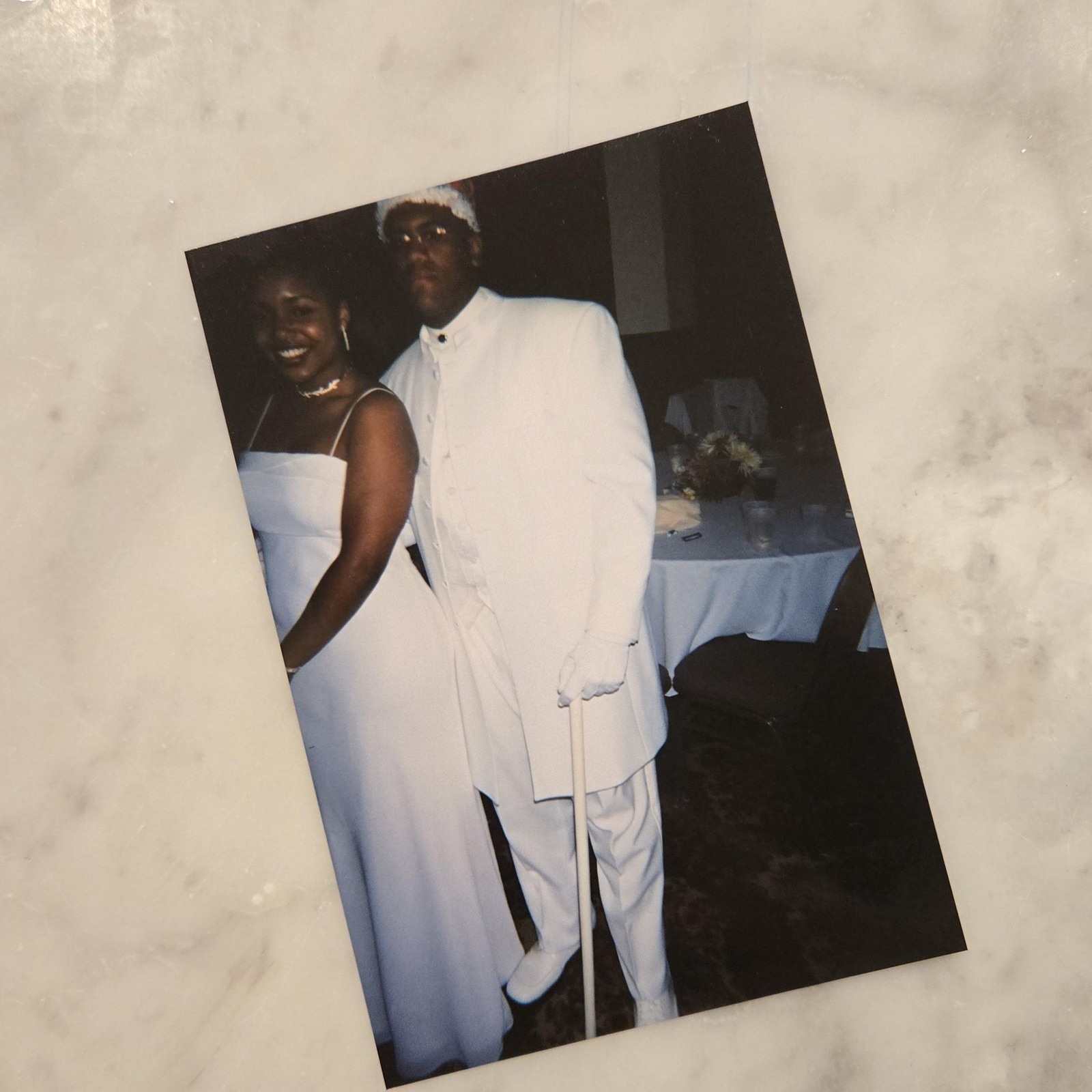
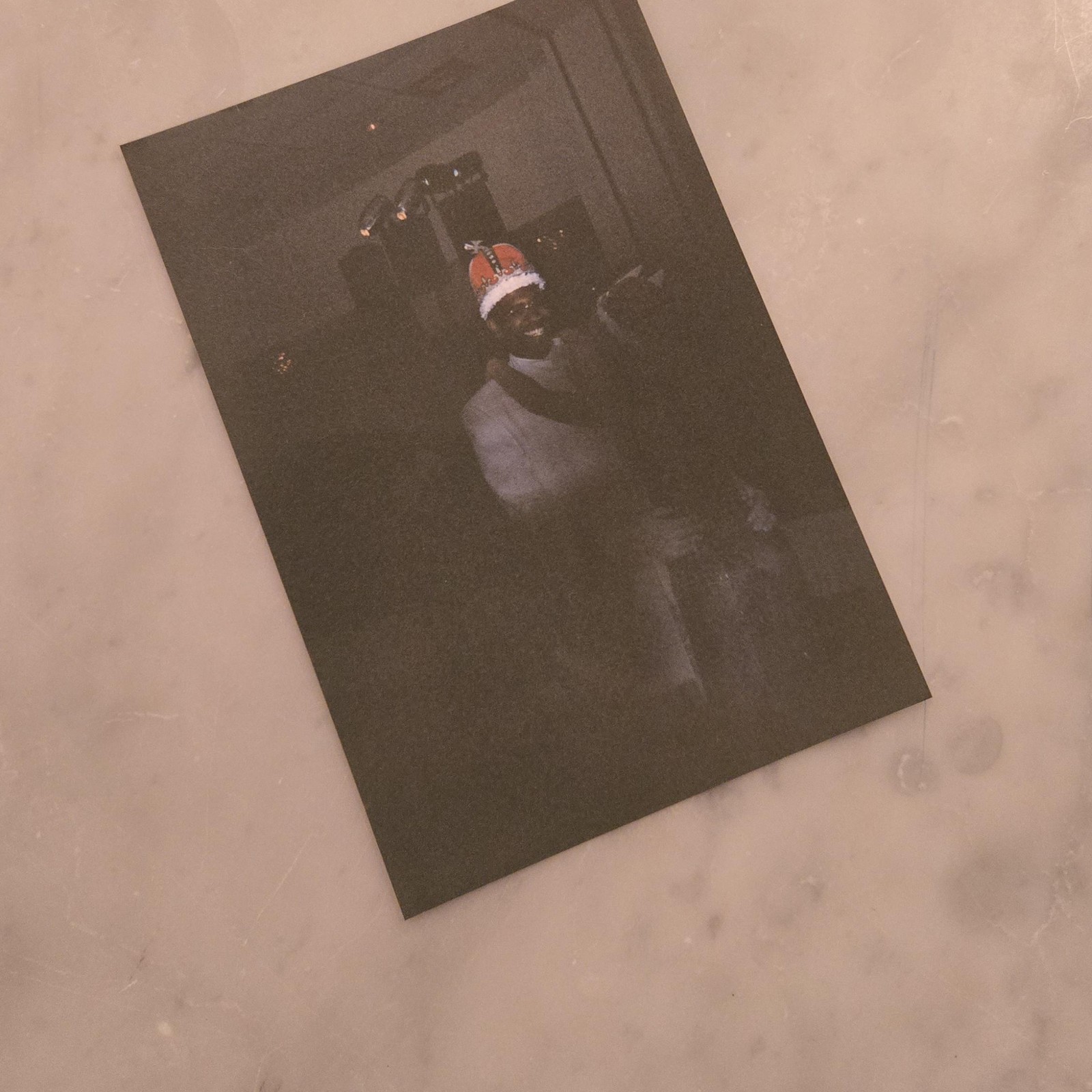
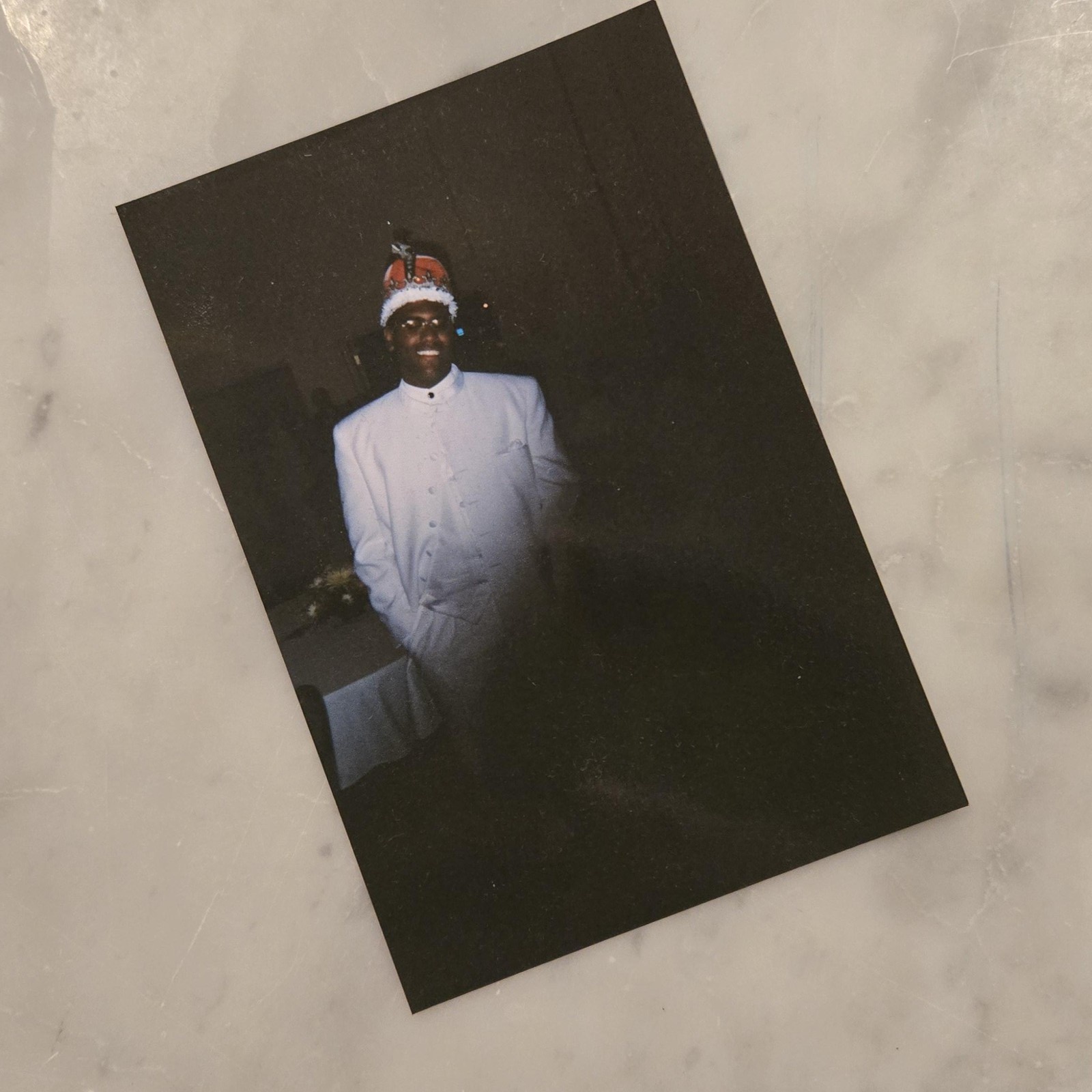
There's a photograph of me at prom, taken during the king and queen dance. By every outward measure, I should have been on top of the world. My senior year, I was homecoming king, prom king, and senior class president. But what I felt in that moment was closer to performative happiness than joy.
I don't remember a specific thought from that dance, only the feeling: awkward, uncomfortable, and out of place, like I didn't belong. I was even surprised I'd won. The happiness I performed was for everyone around me. I didn't want to let anyone down, a kind of people pleasing I learned at an early age.
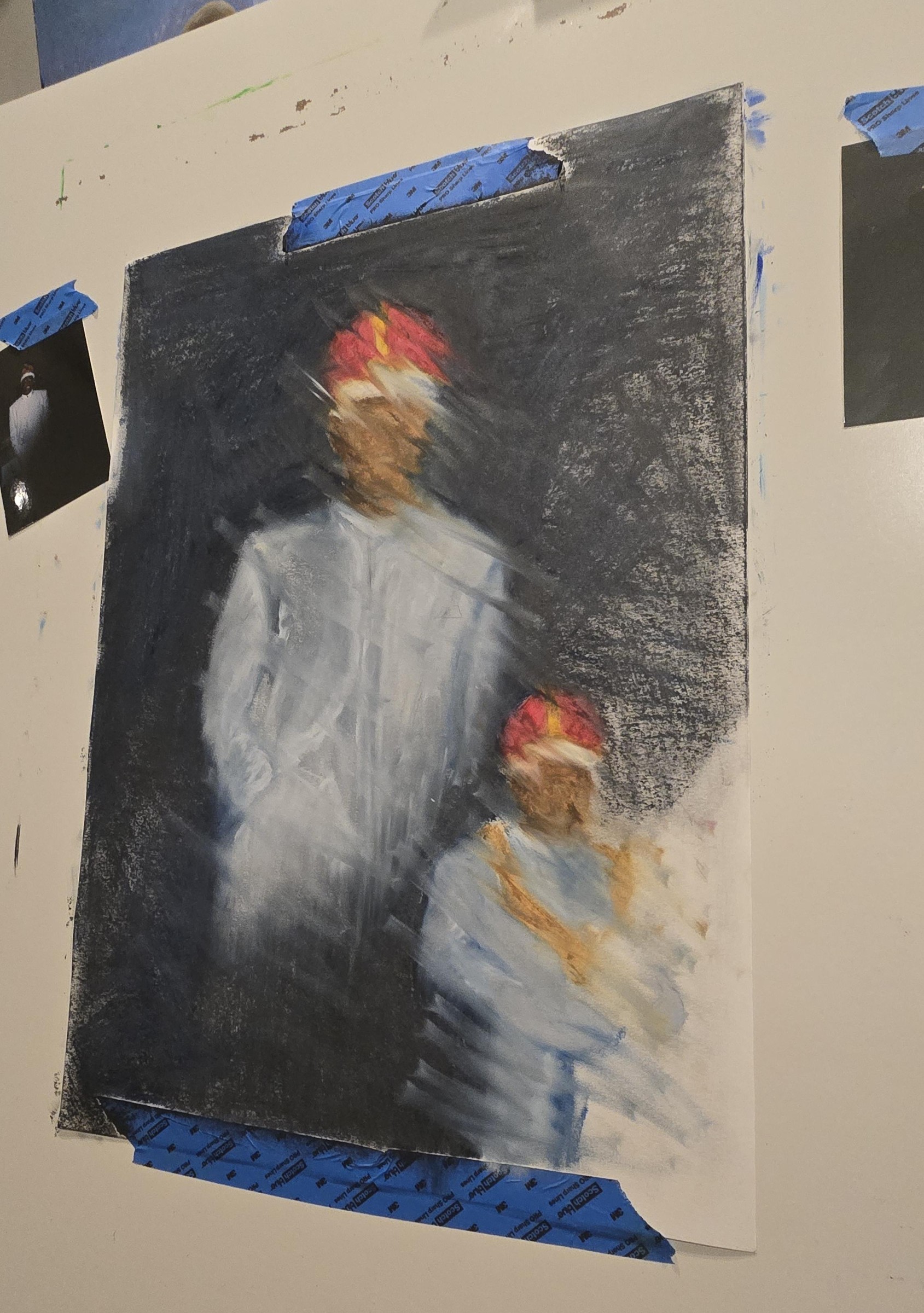
That photograph became the source for Lonely in a Crowded Room.
The idea started back in May, as a note I wrote to myself. My mind moves fast, so I've learned to capture an idea the moment it shows up, whether I'm lying in bed in the middle of the night, sitting in a meeting at work, or busy with something else. If I don't write it down, it can disappear. This time, I caught it.
I don't remember whether I overheard a conversation or read something that prompted it. What I do remember is that it sent me back to high school. A lot of people I know talk about high school as a pivotal time. When they tell those stories, I can see how much that experience still shapes the way they see themselves. I had moments that might have been pivotal for someone else, but looking back, they feel fleeting. I remember them. They just didn't stay with me the same way.
That brought me back to the gap between how I see myself and how other people see me. In high school, I felt like a loner, like people didn't understand me. In some ways, I still feel that. But the facts of my life didn't always support the feeling. The titles were real. The emptiness was too.
The titles were real. The emptiness was too.
Brian Tolbert
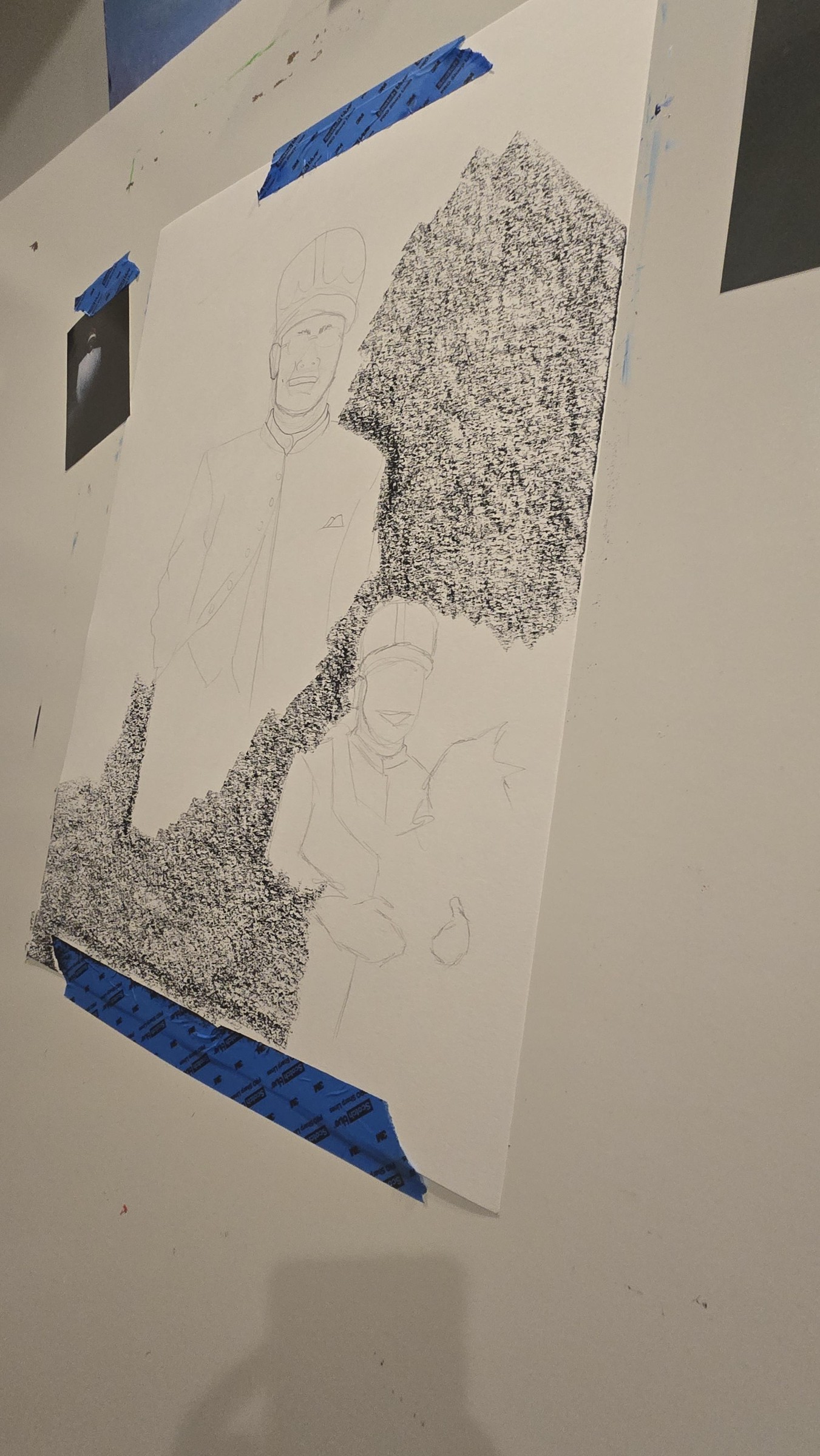
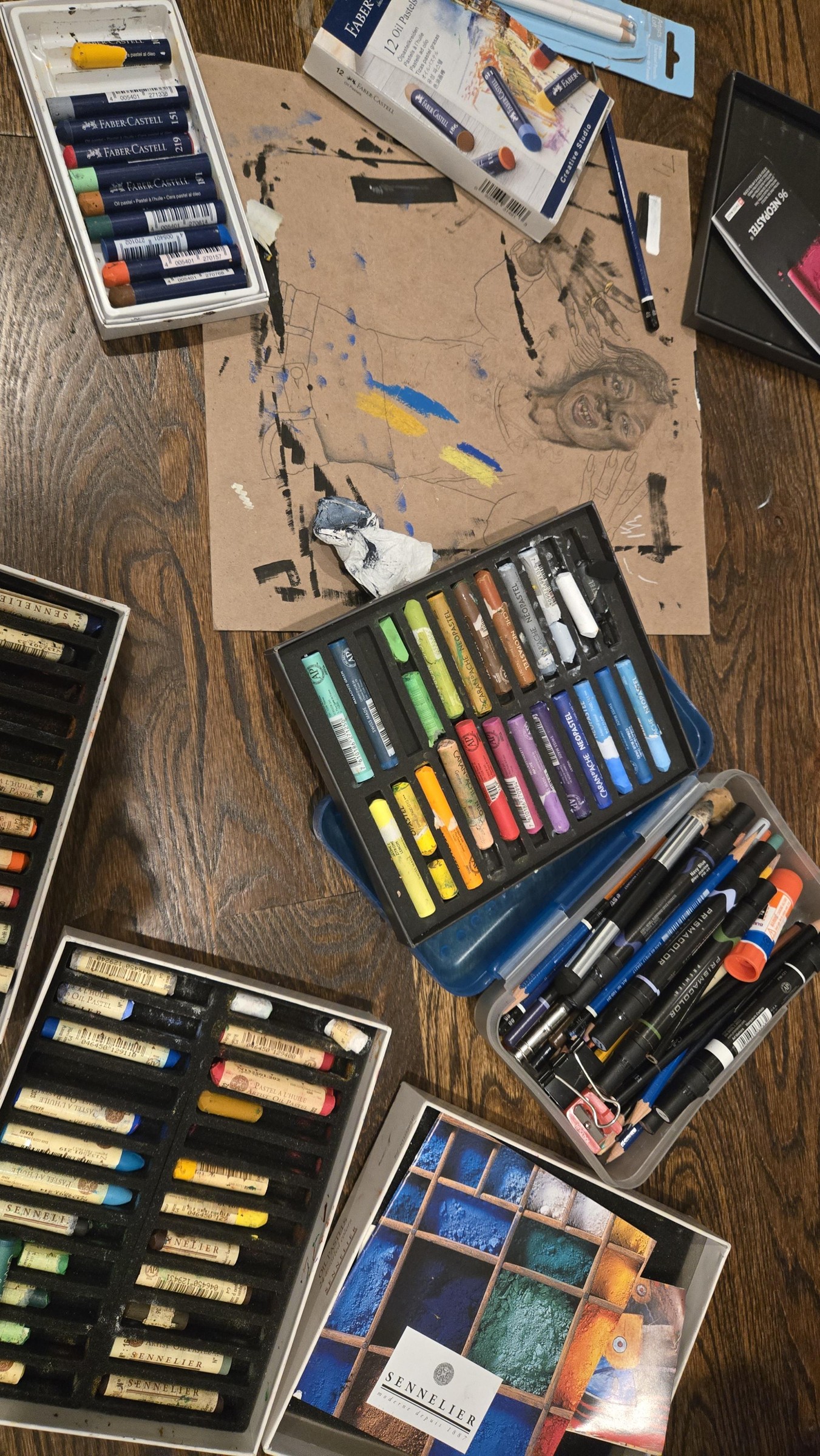
So I drew the piece from that prom photograph, in oil pastel. It's part of Incomplete Memories, a series of rough, loose, quick sketches made as practice and expression rather than for exhibiting. The smears and streaks in the image reflect what it felt like to watch myself from a distance, almost like an out-of-body experience. I wanted to capture the inside of that moment, not just the outside.
When I look at the photograph, I don't remember feeling much of anything. Sitting with it long enough to draw it helped me remember what I actually felt. Smearing the drawing wasn't part of the plan when I sat down, but my process is instinctual, so I did what felt right for the piece. Once I finished the drawing and started smearing it, it felt cathartic.
If you've never felt that vast emptiness during a joyful moment, it can be hard to explain. I've felt it again and again throughout my life: during a major triumph, or at an event where every sign says I should be happy, and I'm not.
Always figuring myself out
For as long as I can remember, I've been trying to figure myself out. I've always been healing from something, even when I wasn't sure what. Art is the most visible part of that journey, the part I share most with the public, but it isn't the only part.
Long before I started sharing self-portraits, I used surrealism as a language for what I'd been through and what I was dealing with. That work is also connected to being married to a licensed clinical therapist. Knowing myself and working on my healing aren't just things I do. They're an active part of our relationship. I have to keep figuring my own shit out so she doesn't have to figure it out for me.
For the past few years, my wife and I have had a weekly check-in. It's a set time for both of us to slow down and ask: How am I feeling internally? How am I feeling about us? For a long time, I struggled to name any emotion beyond happy, sad, or angry, so we use an emotions wheel. We take turns naming what we're feeling, not just that day but since our last check-in. It keeps things from going unaddressed for long stretches.
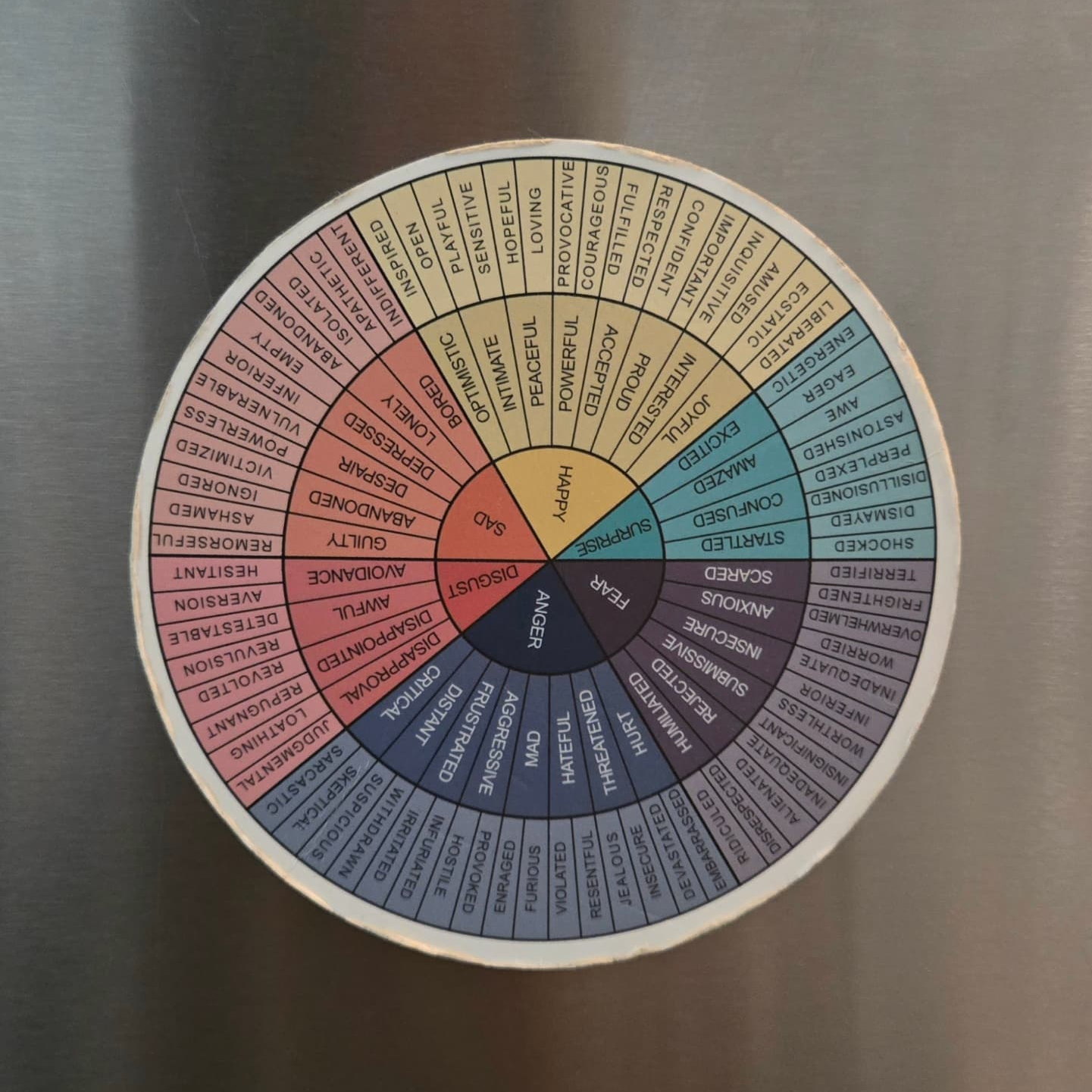
My wife often notices an emotion or a shift in my mood before I do. Part of that is what she does for a living. The other part is that she's the only person I've known who truly sees me. I hate the feeling of her recognizing something in me first. It's caused arguments, because she's noticing something I'm disconnected from and haven't processed yet. In those moments, I feel vulnerable and exposed. Now that we have language for it, those moments lead to fewer arguments, but they're still raw. I've come to understand them as a true form of love.
As a kid, I was always trying to understand why I felt so different. Why didn't I think like other people? Why did things seem to affect me differently? I didn't necessarily want to be like everyone else. I just wanted to understand why I wasn't.
Finding the word for it
Recently, I started listening to Running on Empty: Overcome Your Childhood Emotional Neglect by Jonice Webb. Before that, "neglect" wasn't a word I would have used to describe my childhood. Maybe that's because my mother always provided for me. Maybe it's because she nurtured me in ways I knew other kids, kids who were clearly neglected, never received. It was hard to think about my childhood in that context. My first instinct was to deny the term.
But the book changed how I understood a fundamental part of my early life. Webb describes childhood emotional neglect as something defined by what didn't happen: parents not noticing, validating, or responding enough to a child's emotional needs. Because it's marked by an absence rather than a visible event, it can go unrecognized for years, leaving adults wondering why they feel empty or disconnected.
That landed. I was at my desk at my 9-to-5, where I'm a consultant in learning and development for a FinTech company, and I had to get up and take a walk. I felt exposed, but also relieved, like someone had lifted a hundred-pound weight off my back. I’ve spent a long time trying to connect my emptiness to the major traumatic experiences in my life. Even after years of working to understand their impact, I still hadn't found the whole explanation.
The first half of the book walks through how emotional neglect can show up in a child's life, what a healthier response might look like, and why parents might overlook a child's emotional needs even when they mean well and provide materially. Webb also describes patterns that can follow into adulthood: emptiness; counter-dependence, or resistance to relying on other people; unrealistic self-appraisal; compassion for others but not yourself; guilt and shame; self-directed anger and blame; and what she calls the "fatal flaw," the belief that if people really knew you, they wouldn't like you. She also covers difficulty nurturing relationships, struggles with self-discipline, and alexithymia, which is difficulty recognizing and understanding your own emotions.
I don't struggle with all of those today, but each one has been part of my life at some point. Some I recognized right away because I'd already started working through them with psychotherapy, self-discovery, and art. Others I had noticed in myself without ever knowing where they came from.
The longer I sat with the word "neglect," the harder it was to deny that part of my experience. Eventually, it became a useful context. Surprisingly, it gave me more empathy for my mother, because it helped me see what she never received in her own childhood. Holding both the love and the gaps wasn't hard for me. I've always understood that people are complex, even when those people are my parents.
Navigating my internal world can be lonely, especially when I can't find the words for what's happening inside me. This book helped me feel seen. It didn't just give me language for the experience. It also offered steps for working through it. One of those steps, Breaking Down the Wall, is where Incomplete Memories comes from. It means intentionally tuning into my internal experiences and reaching out to the feelings I learned to actively suppress, or wall off, as a child.
What the piece is about
For me, Lonely in a Crowded Room isn't about the absence of love. It's about an internal lack. When I believe I'm not worthy of love, it can keep me from fully feeling or receiving the love other people have for me. When I don't have enough love for myself, it's hard to take it in from anyone else, even when it's right in front of me.
It's hard for me to receive compliments about who I am. They make me uncomfortable, and my instinct is to turn the conversation back to the other person. Recently, on a phone call, a friend who has known me since high school told me how proud he is of the man I've become. I had to fight the urge to respond right away. Instead, I sat with it and let myself fully receive the love. When I can let it in like that, I'm filled with gratitude. It's like someone adding a missing piece to a puzzle.
When someone stands in front of this piece, I hope they feel less alone in their process - seen, related to, and understood.
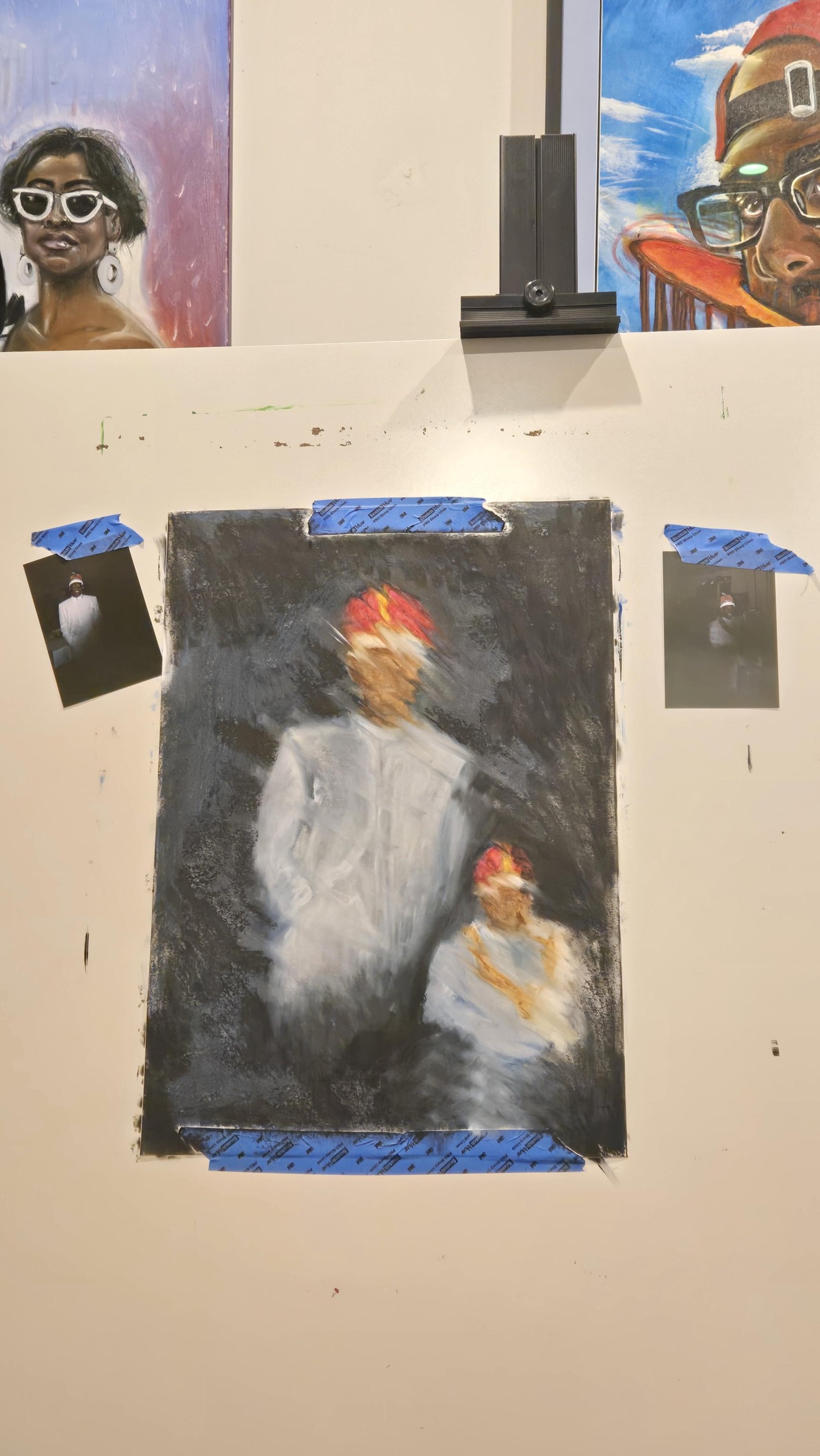
Lonely in a Crowded Room, July 11, 2026
Oil pastel, 16.5" × 23.3"
From the series Incomplete Memories