What We Choose to Keep
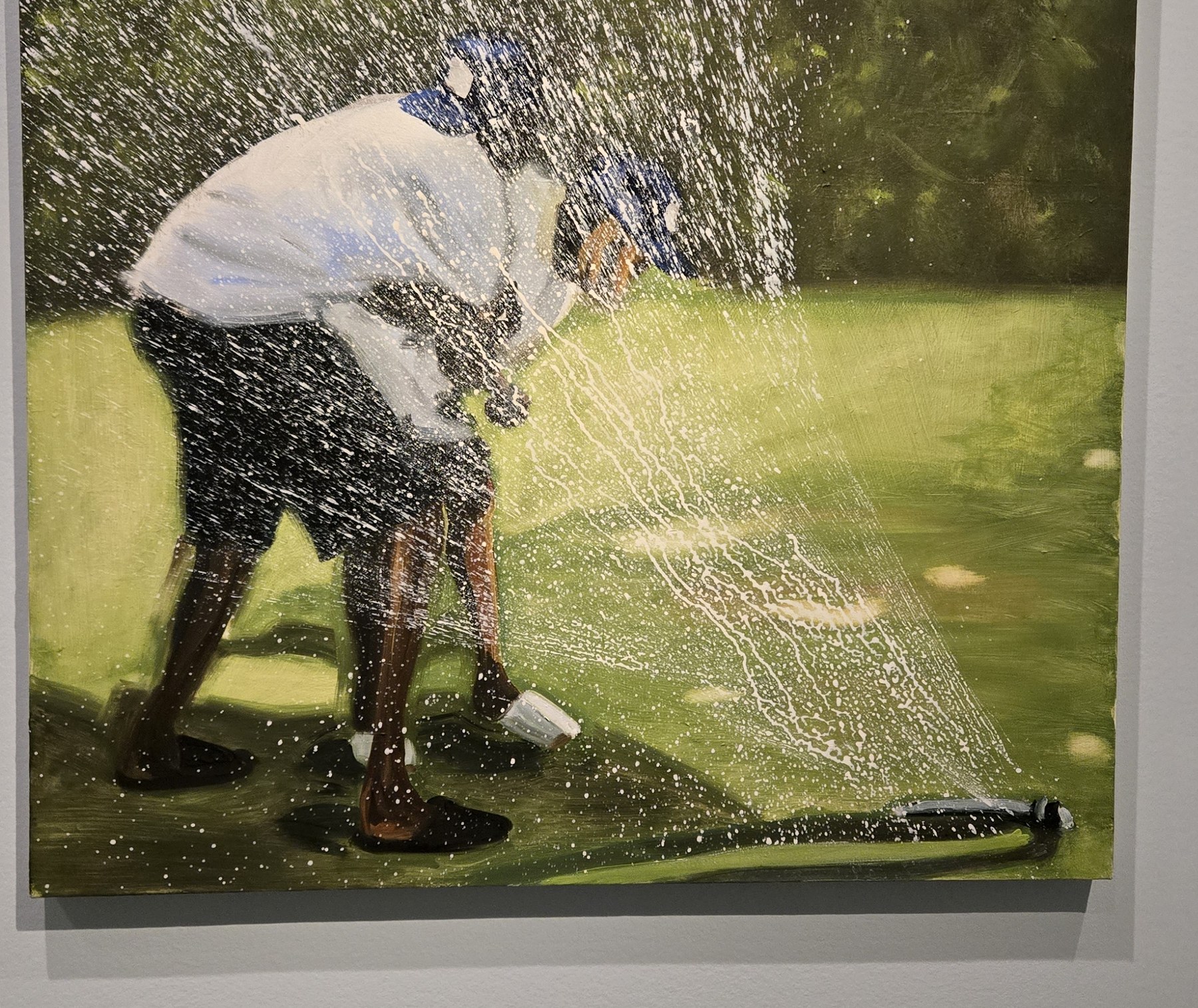
Two friends in blue fitted hats and flip-flops play in the sprinklers. I kept returning to that painting, Sprinklers (2026), in Jerrell Gibbs's Come home with me. It brought back summer days in the hood with my friends Ricky and Tony on Wilner Drive in East Hills, the kind of memory you feel in your body before you've found the words for it. I stood there for a while, taking in both the nostalgia and the painting's technique.
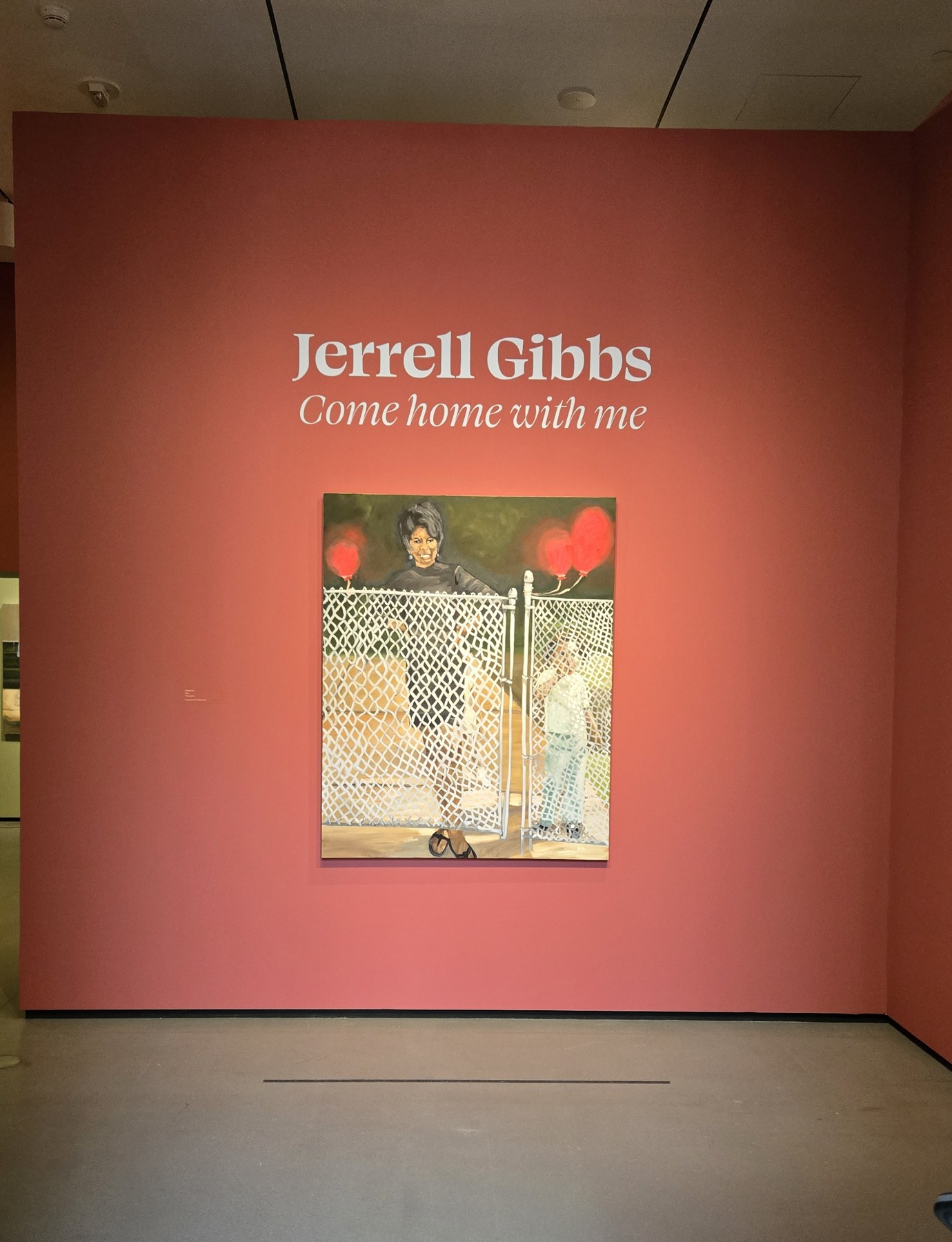
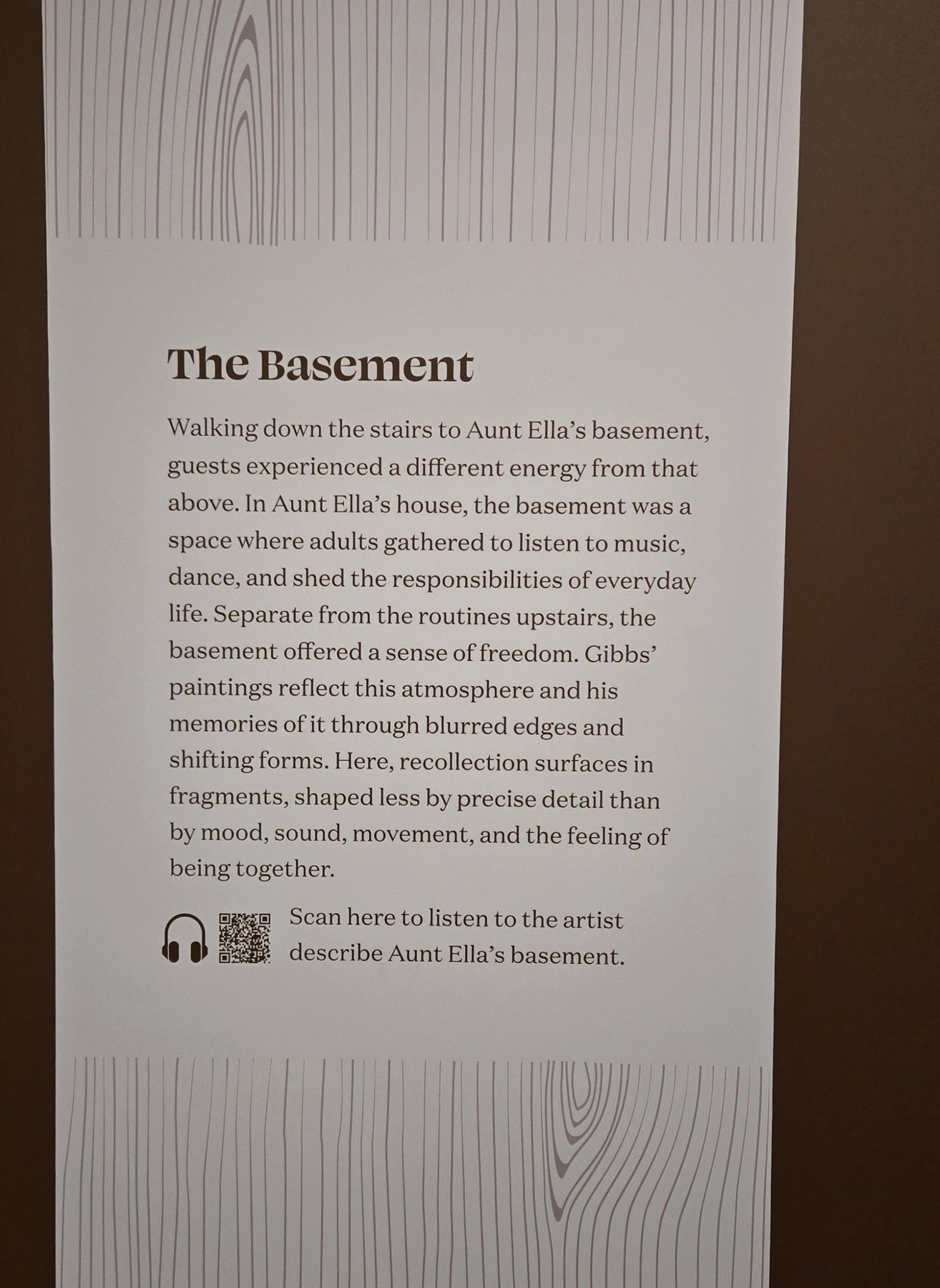
I visited the exhibition at the Baltimore Museum of Art on September 18. Gibbs organized the show around the spaces of his Aunt Ella's home: the porch, living room, kitchen, basement, and backyard. Each space had its own atmosphere, its own kind of story. Together, they made a home.
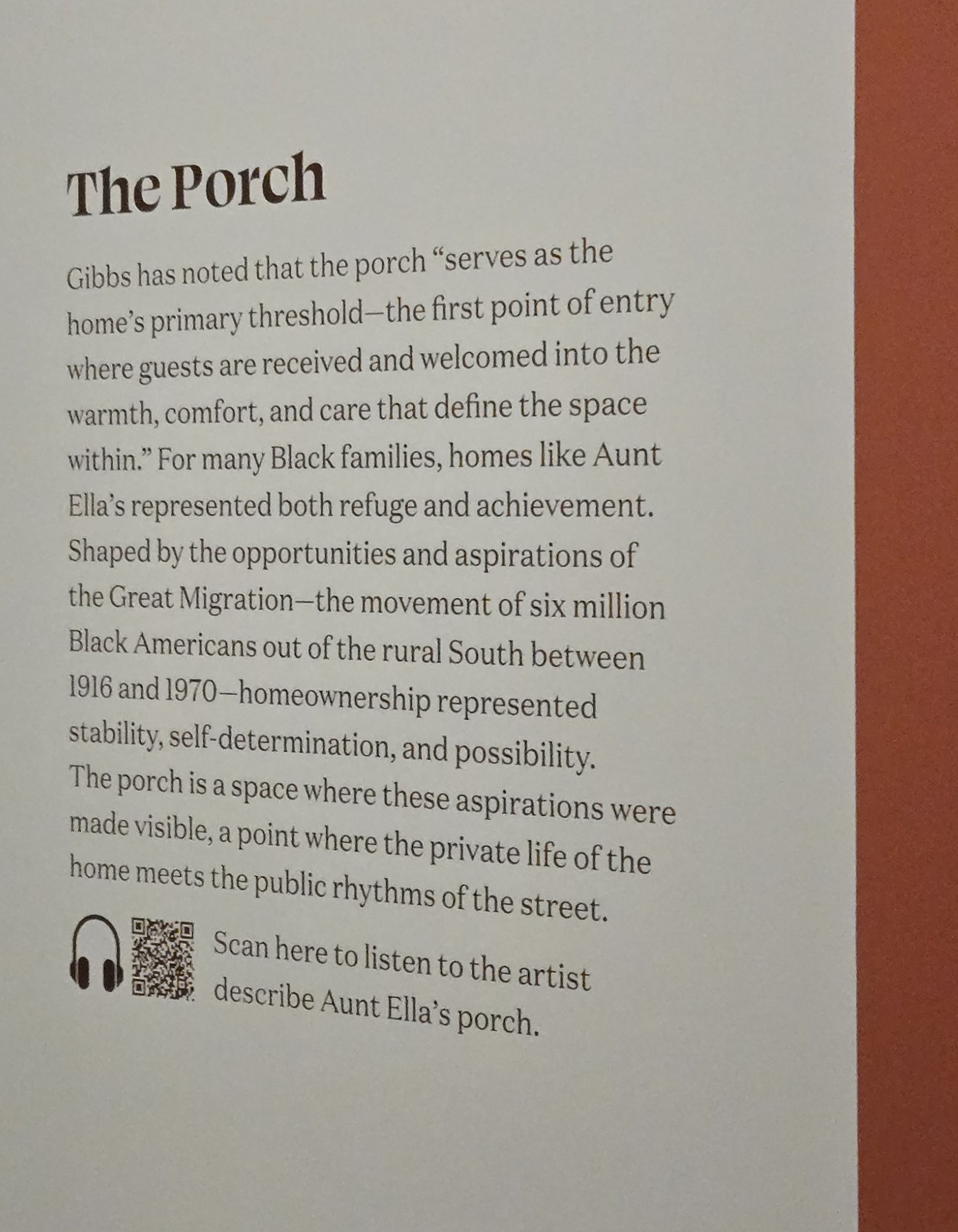
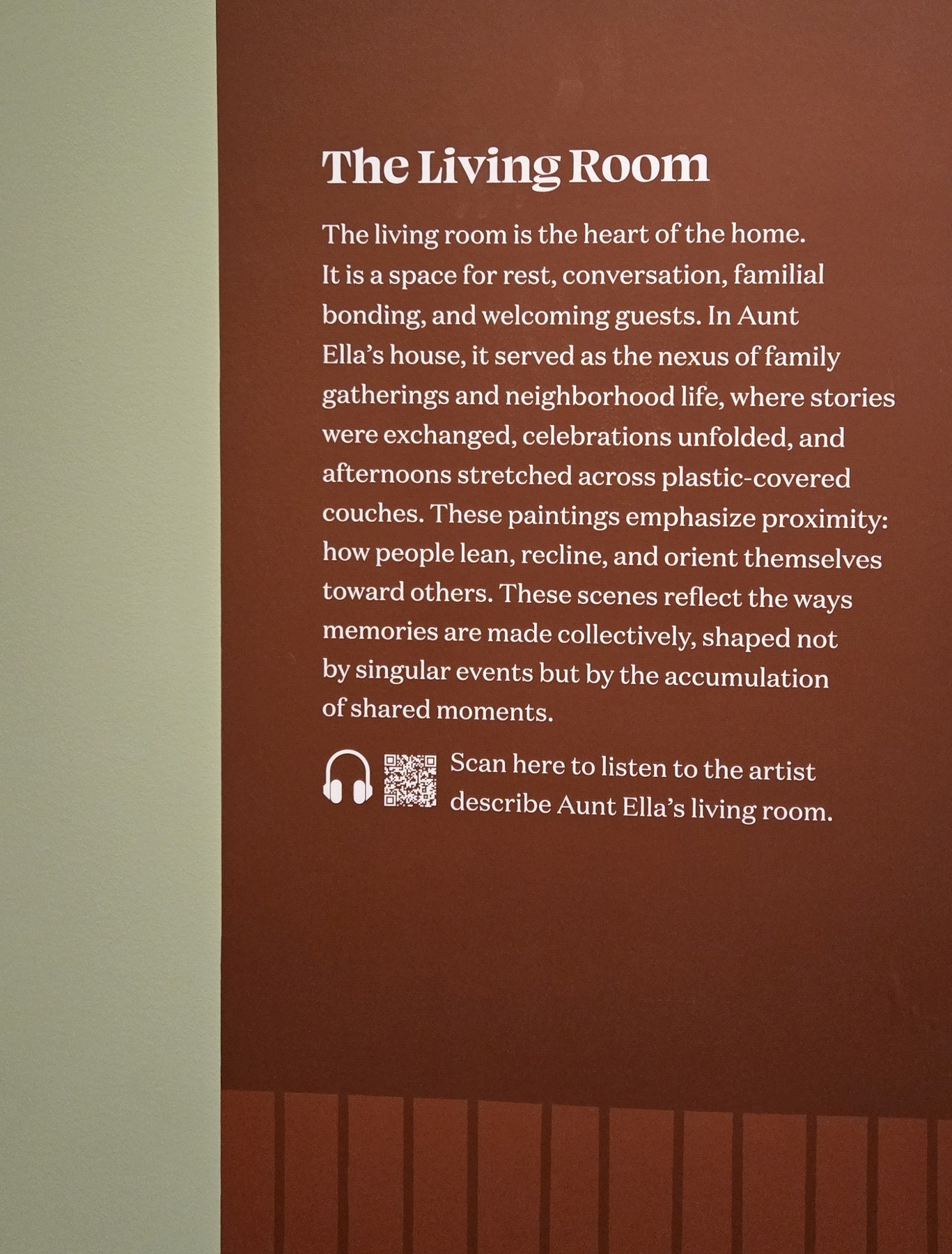
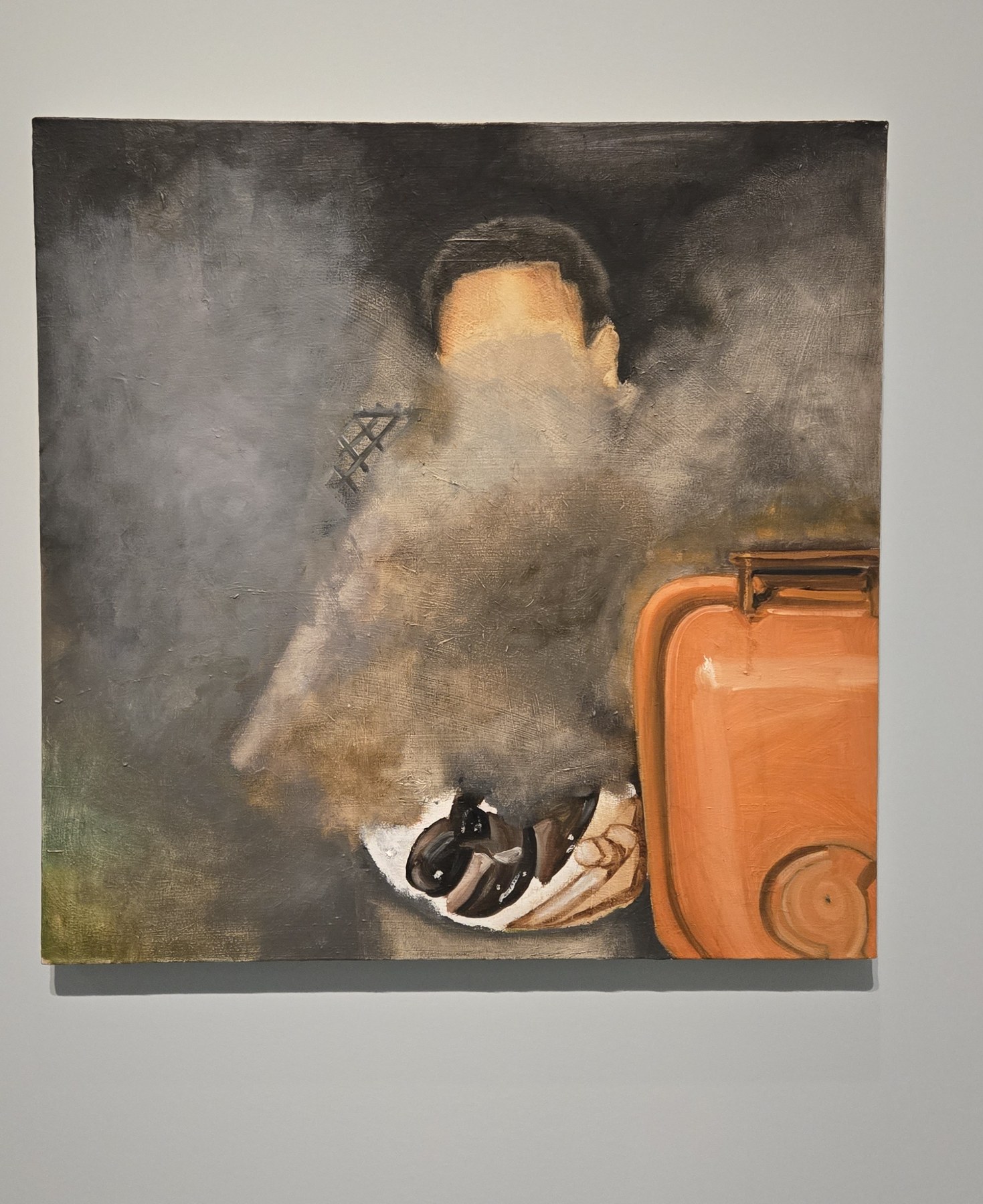
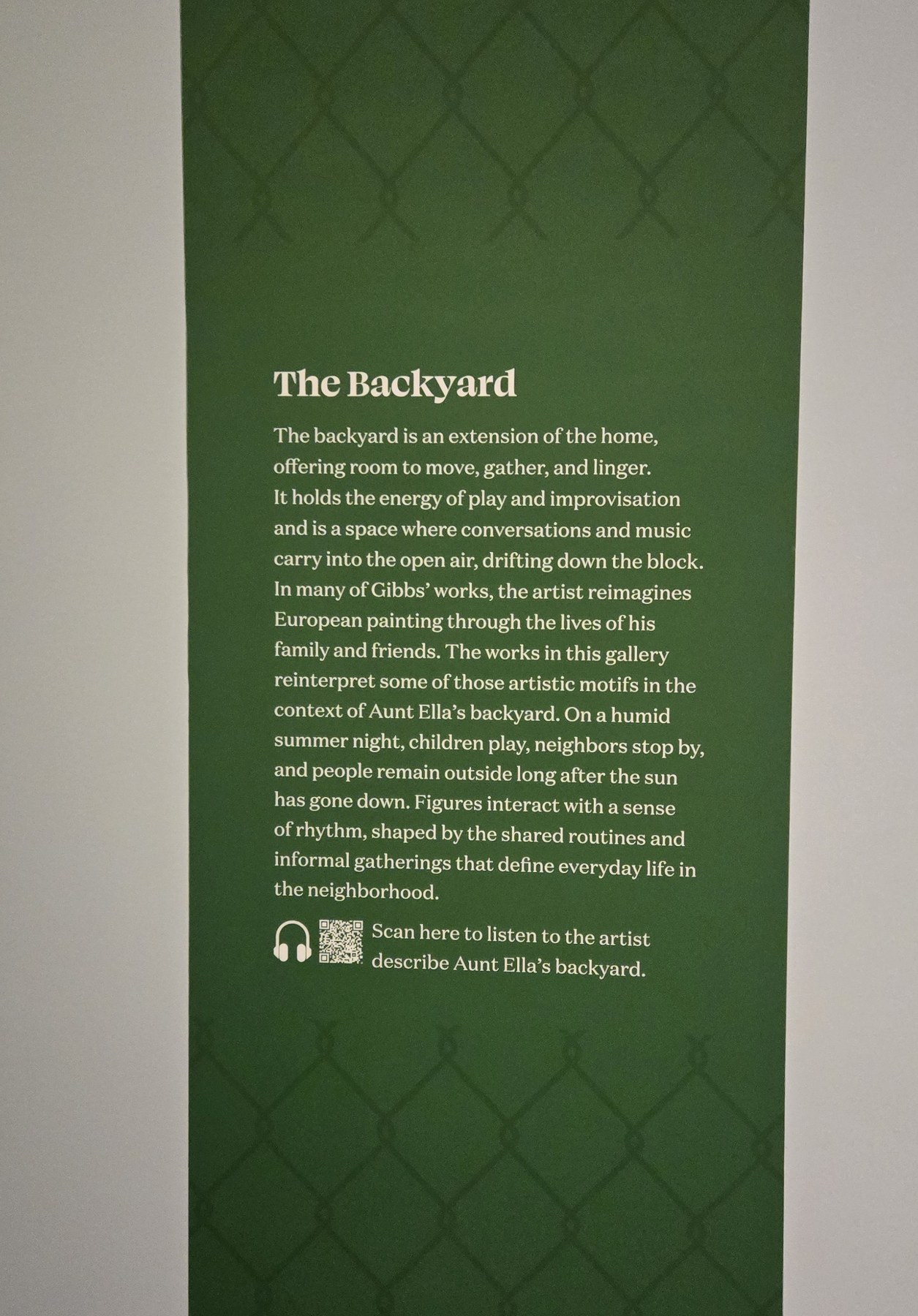
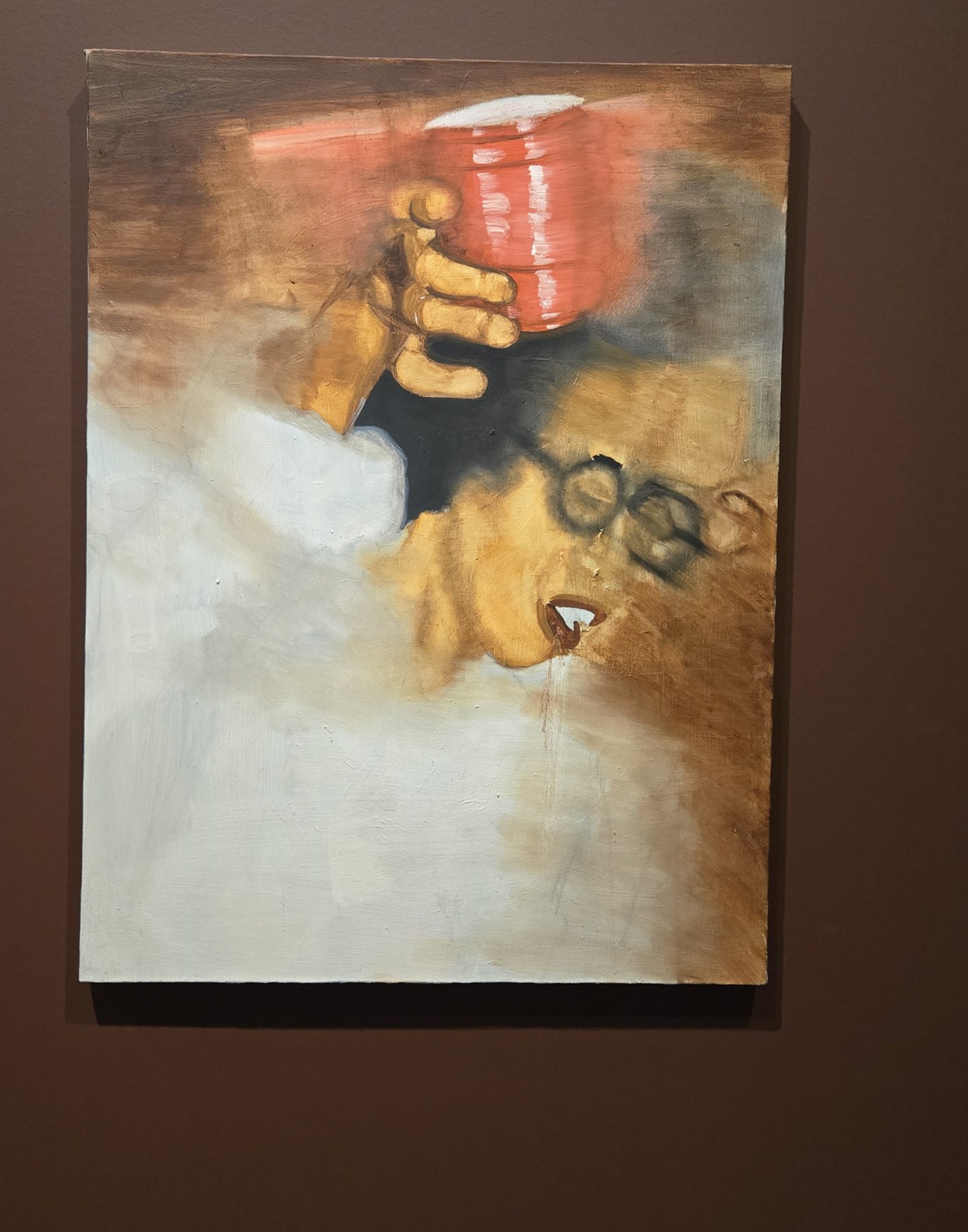
The backyard scenes held me with their motion: friends in the water, girls swinging, smoke rising from an open grill. In the basement, a woman moved with a red cup in her hand. Those scenes took me back to holidays at my grandma's or Aunt Helen's house: Thanksgiving, Christmas, Easter. I remember the warmth of family coming through the door, sometimes for the first time since our last gathering. I remember sitting on the floor with my cousins, eating on top of the newspaper comics that became our kids' table. Those memories feel more precious now. They take me back to a time when life felt simpler, times I’ll never get back.
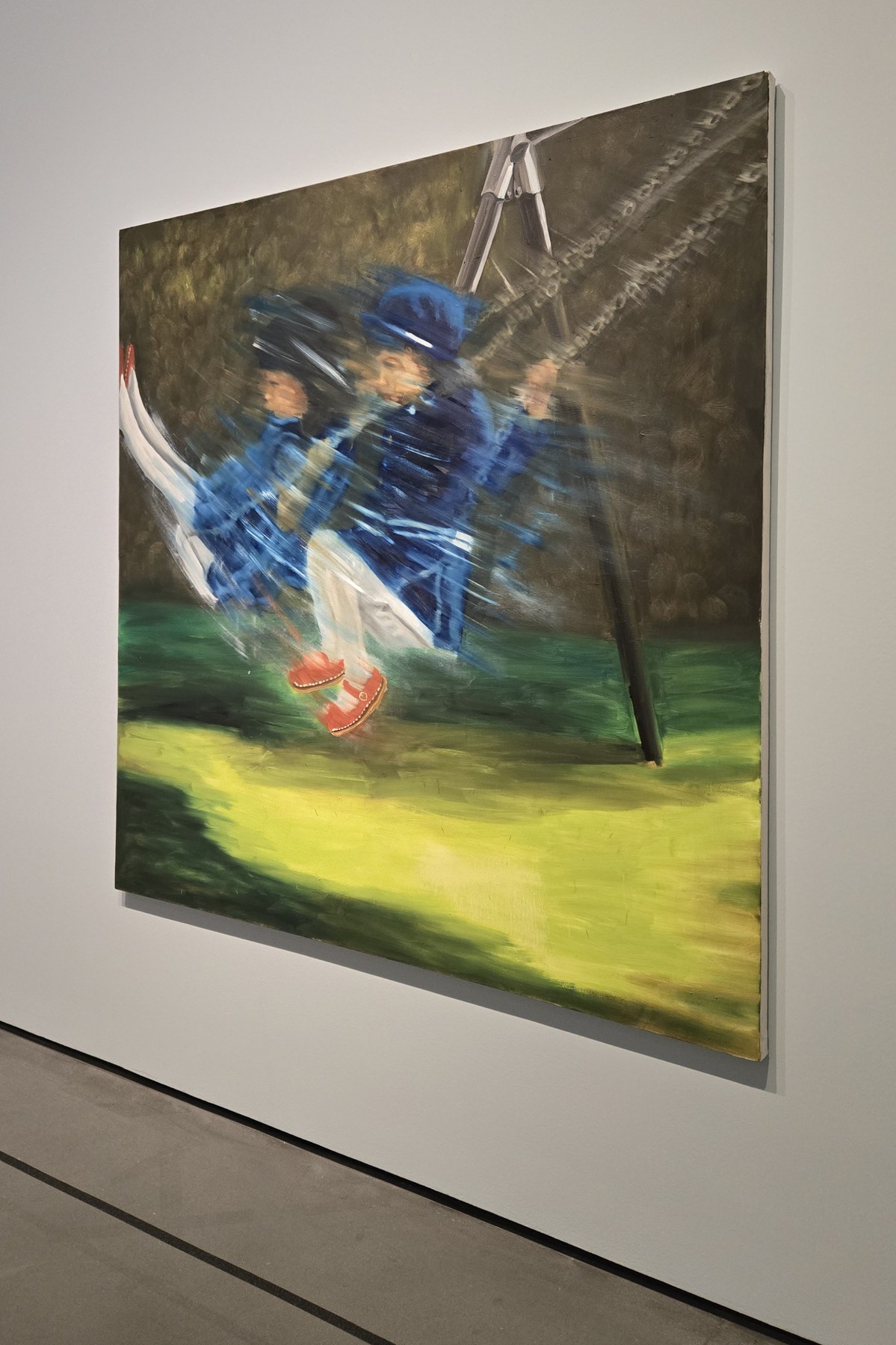
The exhibition was deeply and unapologetically personal. Taking it in felt like peeking through a window into Gibbs's life and the lives of his family. I've never met him. His family isn't my family. Still, I recognized so much of myself in the work. That's one of the things I want my art to make possible: someone else's specific memory opening a door to your own.
That's one of the things I want my art to make possible: someone else's specific memory opening a door to your own.
Brian Tolbert
The family album
The Black Curation's article "Your Family and Personal Archives Are Worth Saving" reminded me why those paintings resonated so strongly. Gibbs's work grew from his Aunt Ella's family photo album. Those photographs held the people, places, and everyday life that made the paintings possible. The article also connects that intimate family archive to the Johnson Publishing Company collection, whose Ebony and Jet photographs preserve a record of Black life.
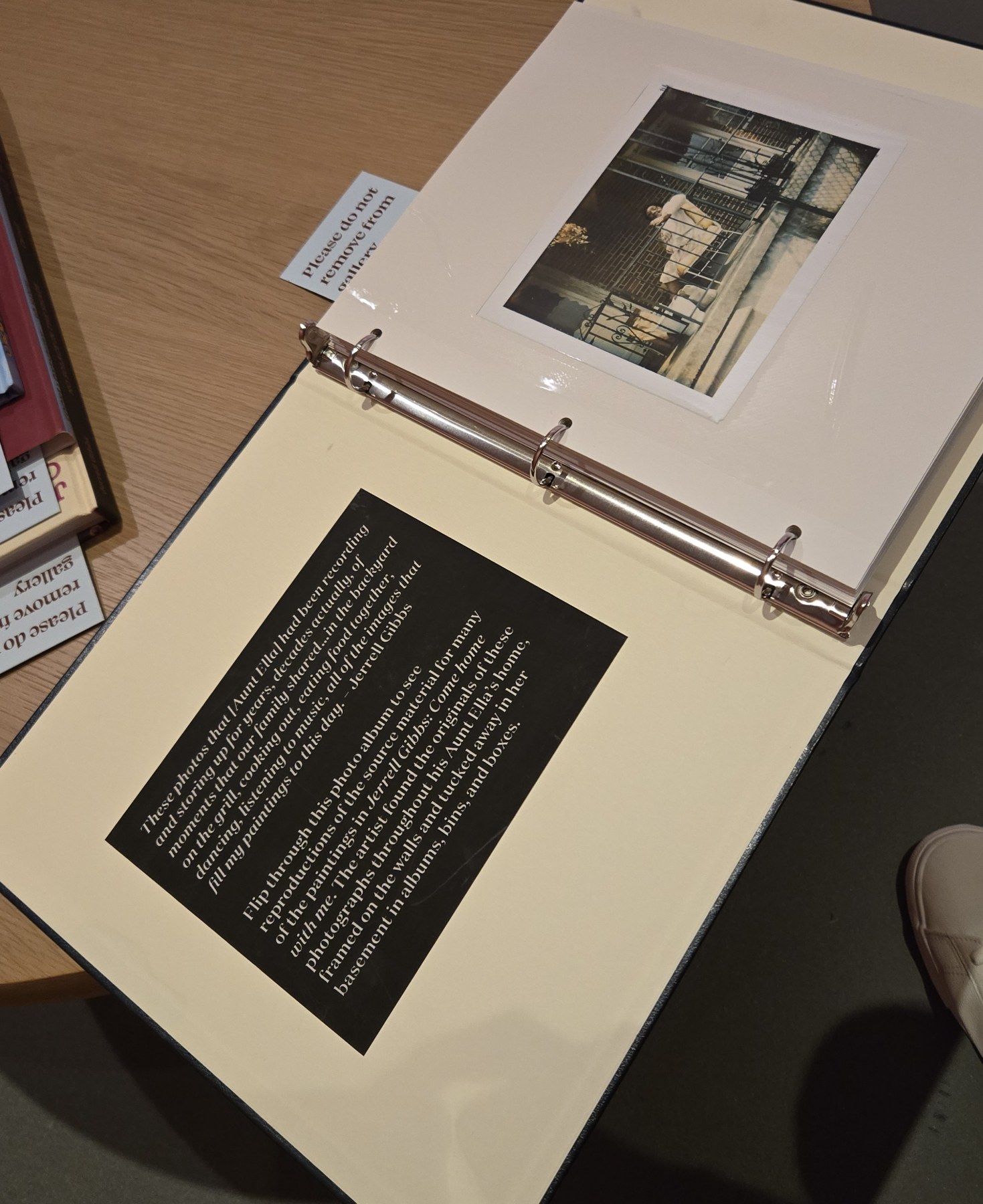
That detail brought me back to my own home. Growing up, we had years' worth of Ebony and Jet issues in our bookcase, on tables, across rooms. We all read them. I still remember Jet's Beauty of the Week. In sixth grade, my drawings of Black celebrities from Ebony covers won me second place and $500 in my first art contest. They were a reminder that what we save now may become part of how people understand us later.
That idea touches the questions I keep returning to as I prepare the latest installment of The Art of Vanity. What does it mean to witness yourself over time? What parts of your story do you choose to reveal, protect, revise, or preserve? Who gets to decide which lives and images belong in the record?
I've worried that my portraits might be too centered on me, or too specific to my experience for anyone else to care. That worry only started once I decided to pursue art professionally and exhibit my work. Growing up, I was quiet and reclusive and lived in my own world, so I was constantly accused of being self-centered. I think that kid still fears those accusations. Seeing Gibbs's work reminded me that specificity can be an invitation. It was reassuring. Other artists may share your talent, but no one else has your story. The parts of my life that feel most particular to me may be exactly what lets someone else recognize their own.
Other artists may share your talent, but no one else has your story.
Brian Tolbert
I want to carry that into the next installment of The Art of Vanity: In My Lifetime, which is still taking shape. I want to keep making work that records who I am as I change, while leaving room for the people who encounter it to bring their own memories with them. That means leaning further into transparency and vulnerability, even when the work feels uncomfortably close to home.
Beyond the finished work
I'm thinking about preservation beyond the artwork, too. Before I started reworking my website, it only held finished pieces for sale, my biography, and my artist statement. As I thought about how to preserve my story and what I wanted the site to do, I realized how much of the work never made it onto the page.
I take progress photos while I work. I draft exhibition plans, revise them, and start again. I make promotional materials that often disappear once a show is over. I spend time with my own art and experiences, then write through my thoughts to test and push the ideas further. None of that is the finished work, but it shapes the finished work. It's part of the practice, even if the audience rarely sees it.
I want my website to hold more of that process: not just what I made, but how I got there, what changed along the way, and what I was thinking as the work took shape. I want it to become a lasting record of my practice, one I have a hand in building and keeping.
Publishing isn't preserving
In "We are the griots, now," Ishmael McKinney writes about BET removing decades of written journalism from its website, and what can happen when Black cultural memory depends on platforms we don't control. The piece draws an important distinction: publishing something isn't the same as preserving it. A post can disappear. A website can change. A story can become harder to find, even if it still exists somewhere.
Publishing something isn't the same as preserving it.
Brian Tolbert
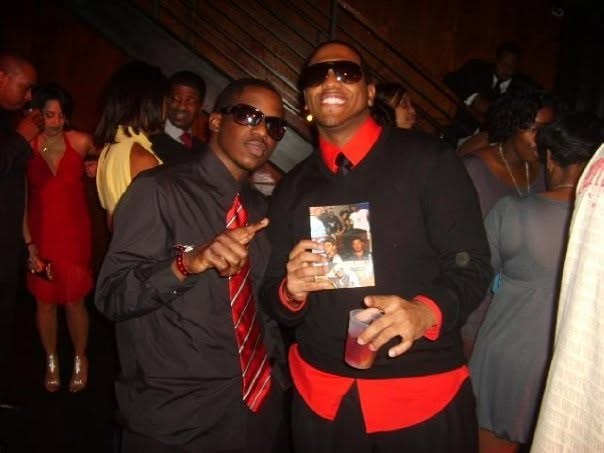
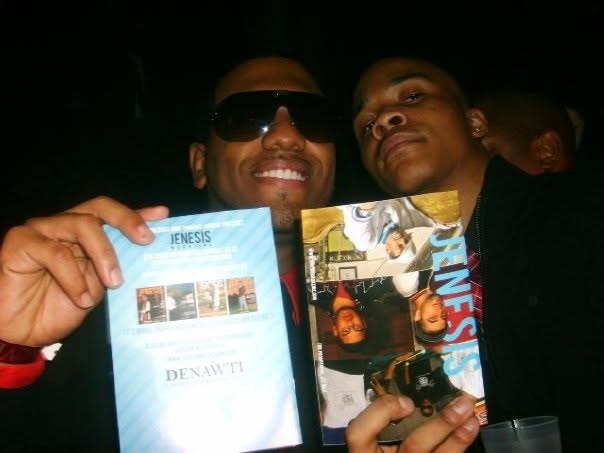
I learned that lesson years ago. My first venture into creative entrepreneurship started straight out of college, when I founded an online magazine called JENESIS Magazine. The vision was to connect local communities with broader international trends. We focused mainly on underground hip-hop, urban music, fashion, and visual art, while highlighting Black culture and consciousness.
My goal then was much like it is now. I believed our stories were worth telling, deserved to be featured, and should be owned by us. As I revisit so many parts of my story through The Art of Vanity, I keep thinking about the experiences that formed me. JENESIS was a critical part of that period in my life, yet it's hard to find records of much of what we produced. After we stopped publishing, the website, the domain, and many of those records were lost.
I don't remember exactly when I realized it. I just remember going to reference something and finding that none of it was there. It was a gut punch. I hadn't cared enough to preserve it when I had it, and now I couldn't access any of it. Back then, I was young, ambitious, and trying to find a way out of poverty, so my mind was always on the next thing. I'd tell that version of me to slow down and hold on tighter to what you create.
Today, more media companies and social platforms, our new public squares, are owned and controlled by fewer and fewer people. We've seen that consolidation of power bring different forms of control over which stories circulate: algorithms that suppress content, censorship of ideas that don't fit an approved narrative, and outright deplatforming when dissent can't be contained. It reminds me how often we leave our stories, our history, and our legacy in the hands of people who may not value them the way we do.
That vulnerability reaches beyond the digital world. It feels especially urgent while books are being pulled from schools and cultural institutions face pressure over the histories they present. PEN America recorded nearly 12,000 instances of book bans in public schools during the 2025–26 school year, the most it has recorded in a single year. Federal officials have also threatened to withdraw agency support from the Smithsonian. These pressures raise questions about who gets to shape the stories people can encounter, and which stories will still be available to the next generation.
It's infuriating that in 2026, we're still dealing with this. But as someone who reads history, I know it's nothing new, and it puts a battery in my back. I take it as a call to action and as validation of the path I'm on. It has made preserving my work feel far more urgent.
What we keep
For years, my mom's house was an archive. She kept everything. But after she died, I threw away all the art from my childhood through college that she had saved. I was so grief-stricken that I felt I had no use for it anymore, and never would. The only remnants I have are the photos I was lucky enough to post on Facebook. To this day, it's one of my biggest regrets. Losing so much of my practice's history now shapes how I document my journey and the work I make.
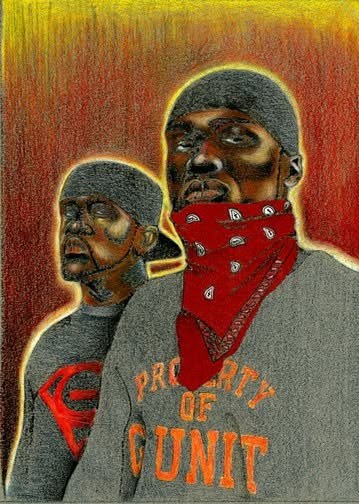
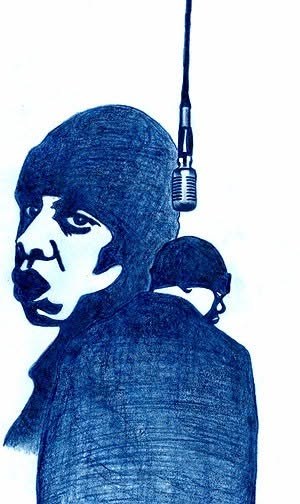
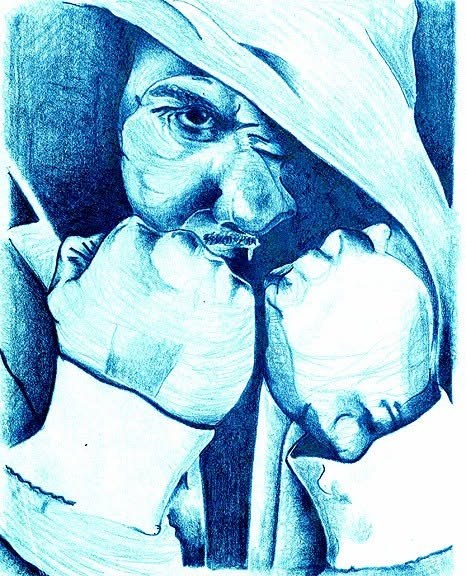
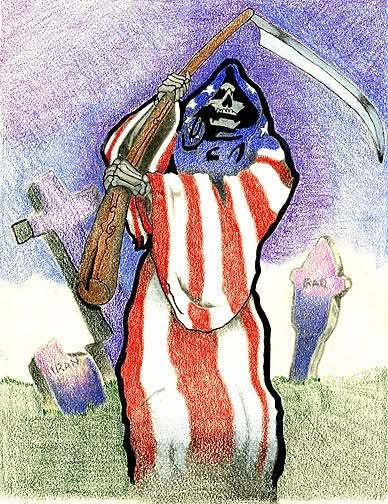
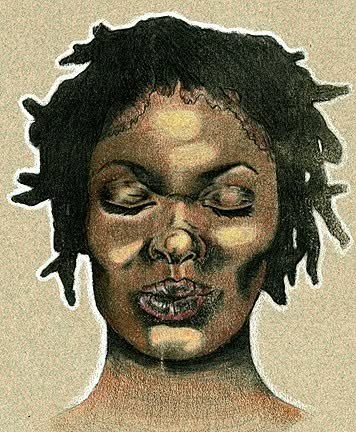
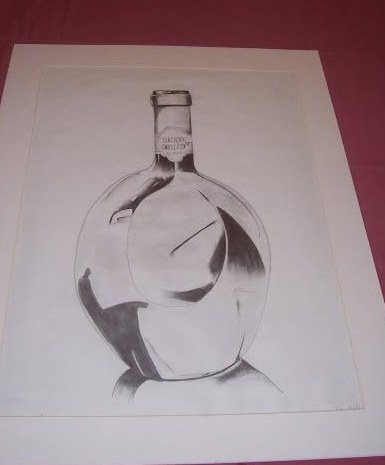
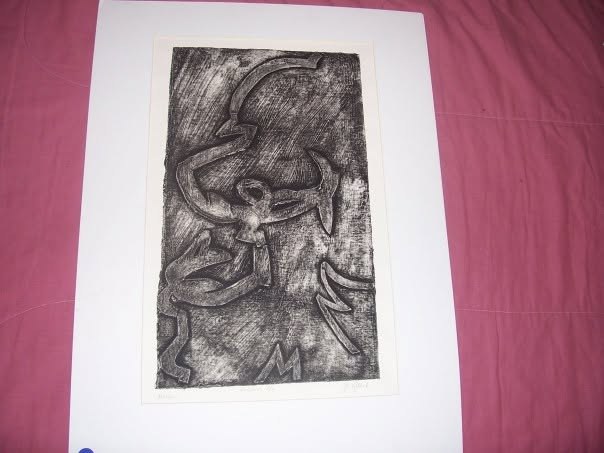
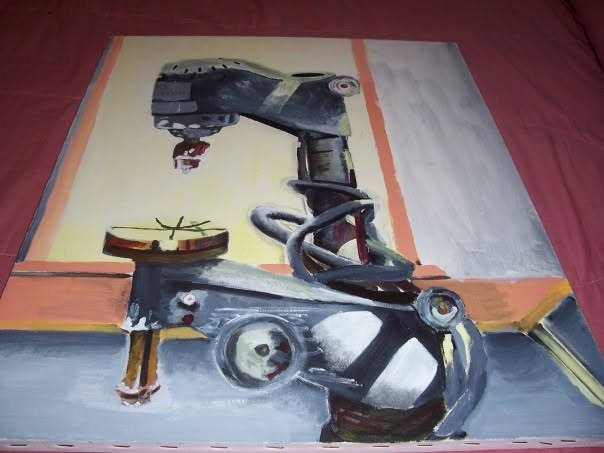
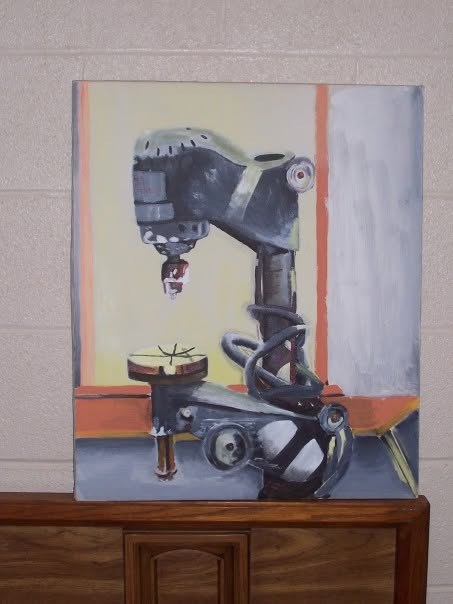
This is part of why personal archives matter so much to me. They help us keep telling our own stories, in our own voices, with our own choices about what to share. A family photo album. A saved draft. A photograph from the studio. An exhibition plan. A painting. A website. Each one can help carry a life forward.
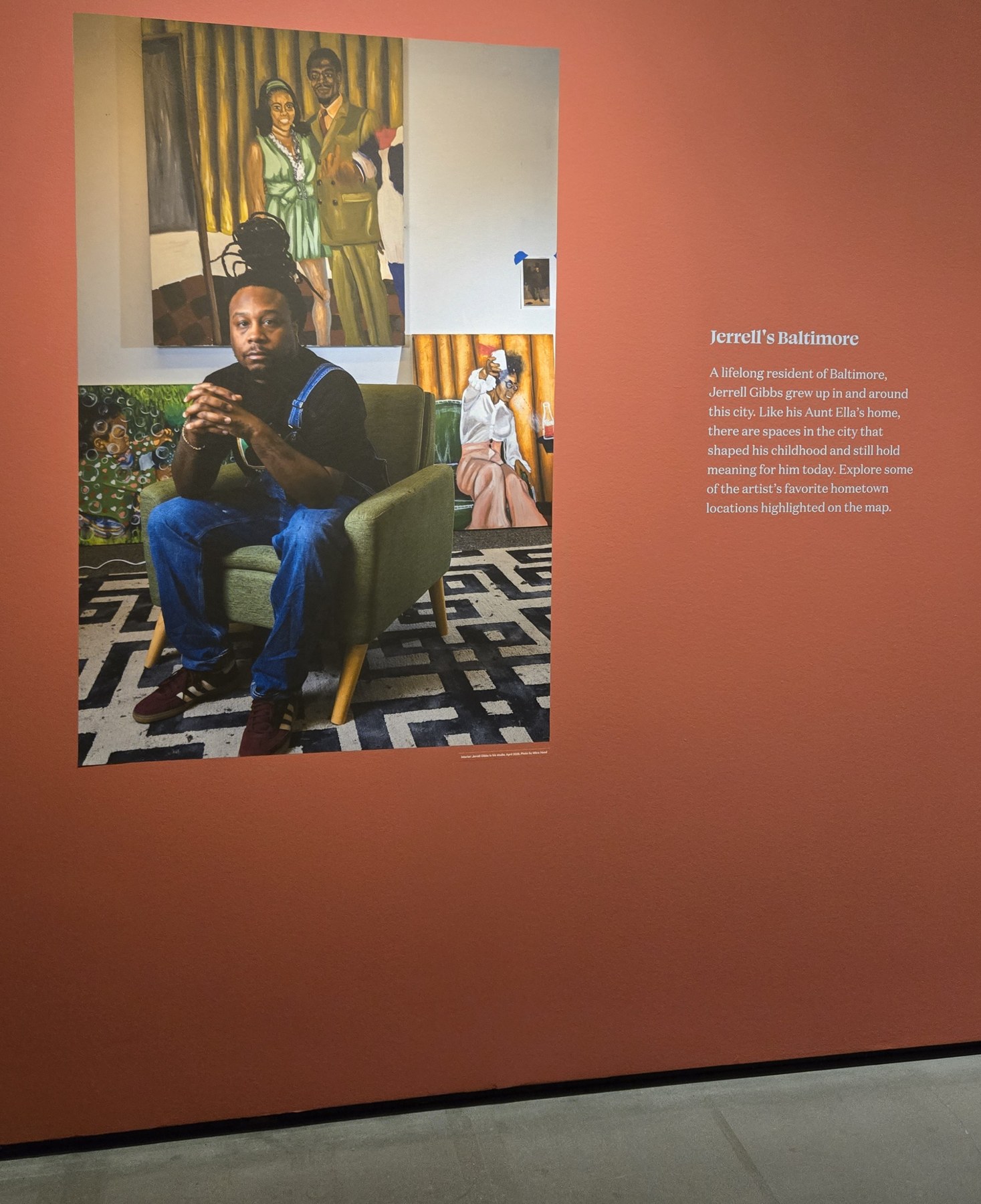
I left Come home with me thinking about the feeling I hope people take from my work. I want them to see something of my life and recognize something of their own. Gibbs's exhibition reminded me that a personal story can hold more than one person's memories. It can become a place where someone else finds themselves, too.
Further reading & references
Baltimore Museum of Art, Jerrell Gibbs: Come home with me. (opens in a new tab)