Black Art as Wellness: How I’ve Found Healing through Art
"I remember the black car as it sped up the street and I remember the blue rags they had covering their faces."
Brian Tolbert
I wrote that sentence when I was 14, in an essay for 10th-grade English. It describes the first drive-by shooting I experienced, when I was six. My friends and I were sitting on the steps in front of my house around 11 at night when a car came speeding up the street and people started shooting out of the windows. The bullets came past our heads. Everyone else ran. As I put it then, "it just didn't occur to me to run."
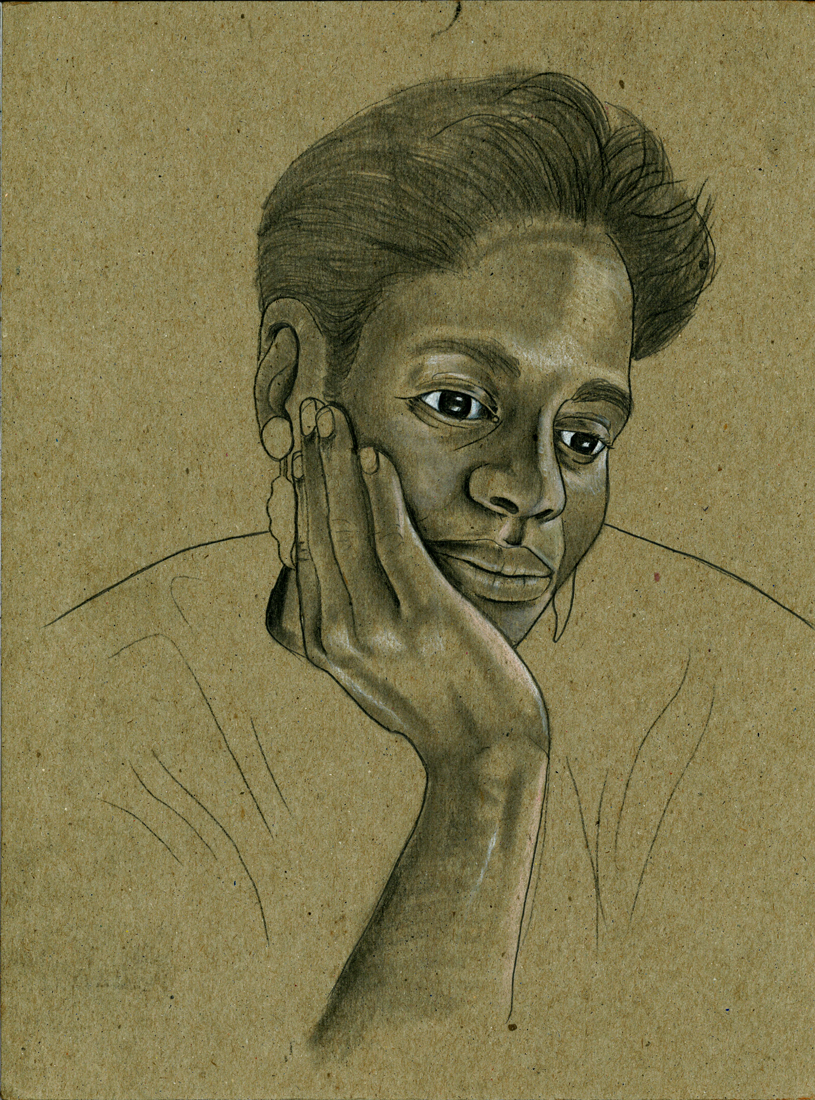
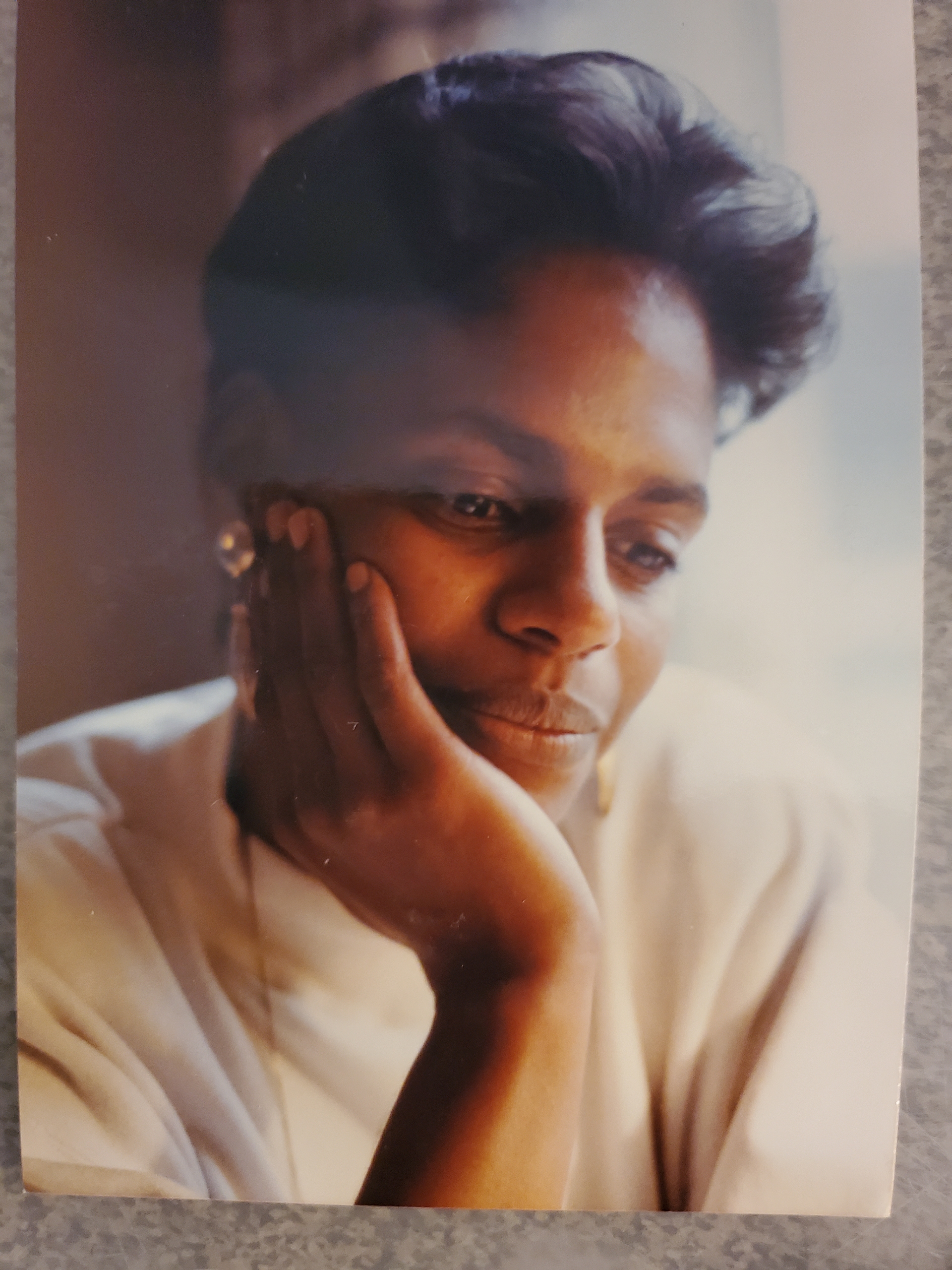
I found that essay a few years after my mother passed away, while I was cleaning out her belongings. By then, I had already drawn her portrait. I drew it from a photograph of her, only a few days after we buried her. It was brutal. But it made me feel connected to her. It was a way to honor her, and the first step on a healing journey that will probably never end.
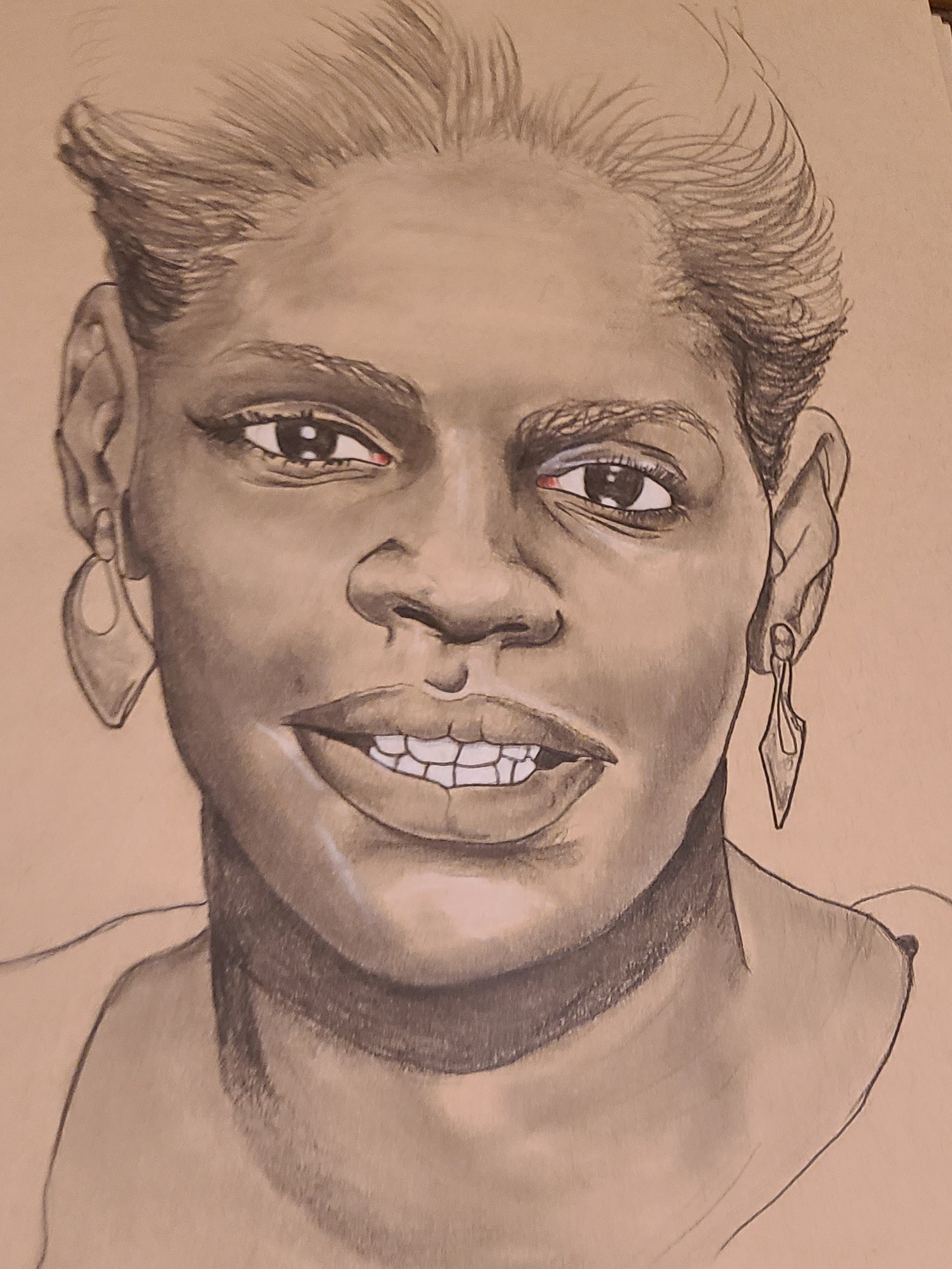
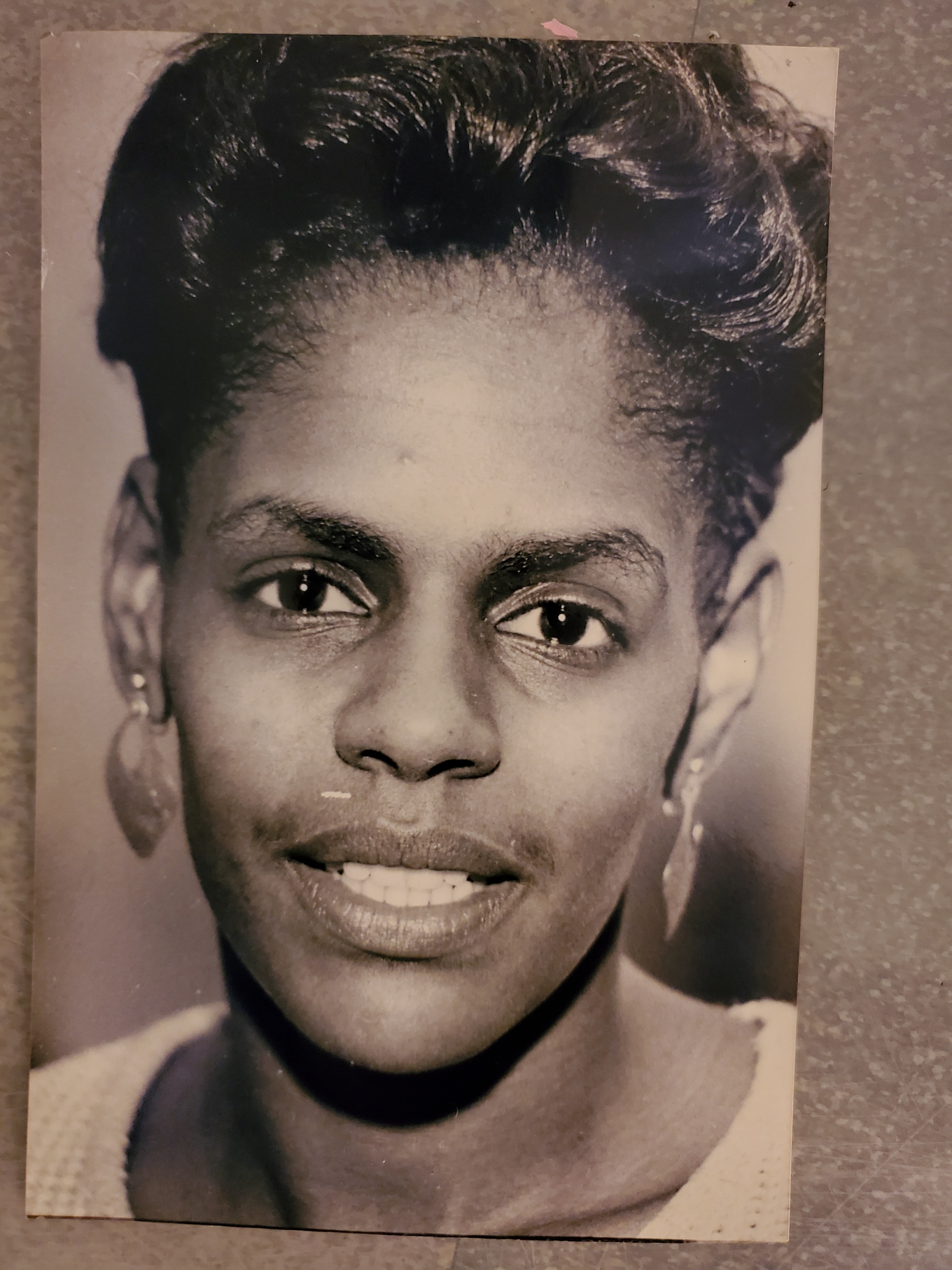
Finding that essay brought me back to how much I've relied on art to make sense of the world around me.
The essay went on to describe the rest of what people might call a typical '90s hood tale: a bullet coming through the wall of a friend's bedroom while we played video games, a friend who was stabbed and died in his sleep two weeks after leaving the hospital, a gun held to my head in a parking lot at 3 a.m. It ended with a line I still think about: "Sometimes I wonder if it was really meant for me to make it out of all of those situations, because I sometimes think that some of those bullets were meant for me."
Those experiences may have seemed typical at the time, but each one shaped how I experience the world today. Creating art has guided me through some of the lowest moments of my life.
For me, and for many Black artists, calling art "self-expression" doesn't fully describe what it can do. Art has been the therapy my family couldn't afford or didn't believe in. It has helped me express the mental health challenges that come from treating trauma as normal. It gives me a language for difficult conversations, a way to tell stories people have said weren't important enough to tell, and a way to state what I intend to do with my life.
Art has been the therapy my family couldn't afford or didn't believe in.
Brian Tolbert
What Aleksi taught me
In sixth grade, I became friends with Aleksi, a student from Helsinki, Finland, who had never spoken English before. He struggled with the language the whole year he was in my class, and he often communicated by pointing and making sounds. He was also an exceptional artist who drew exaggerated comic characters, and his art became one of the ways we talked to each other.
I learned a lot about art from Aleksi that year. It can reach across the limits of language and culture. However we make it, art gives us a way to express emotions and experiences that are hard to put into words.
Through our art, we can share personal stories and bring attention to racial inequality, social injustice, and current and historical trauma. The work can help us process our own experiences while starting conversations in our communities, sometimes in places where those conversations might not otherwise happen.
Naming what we couldn't
Mental health is personal for me. Growing up, we lacked the vocabulary, understanding, or stability to address it in our community. Access to care is part of that challenge: in 2024, Black adults were 36% less likely than U.S. adults overall to receive mental health treatment, according to the HHS Office of Minority Health.
HHS Office of Minority Health (opens in a new tab)
Many of the people around me struggled just to have their basic needs met. That can make compassion a high bar. It pains me to think about how often I've seen the most vulnerable people in our community discarded because helping them was considered too inconvenient.
As artists, we're aware of these struggles, and we often wrestle with them ourselves. We make work that reflects our lived experiences. All of Us (R Broken) (2017) is one of those pieces. Drawn in graphite on cardboard, it shows a young man's face cracking apart, with pieces breaking away from the side of his head.
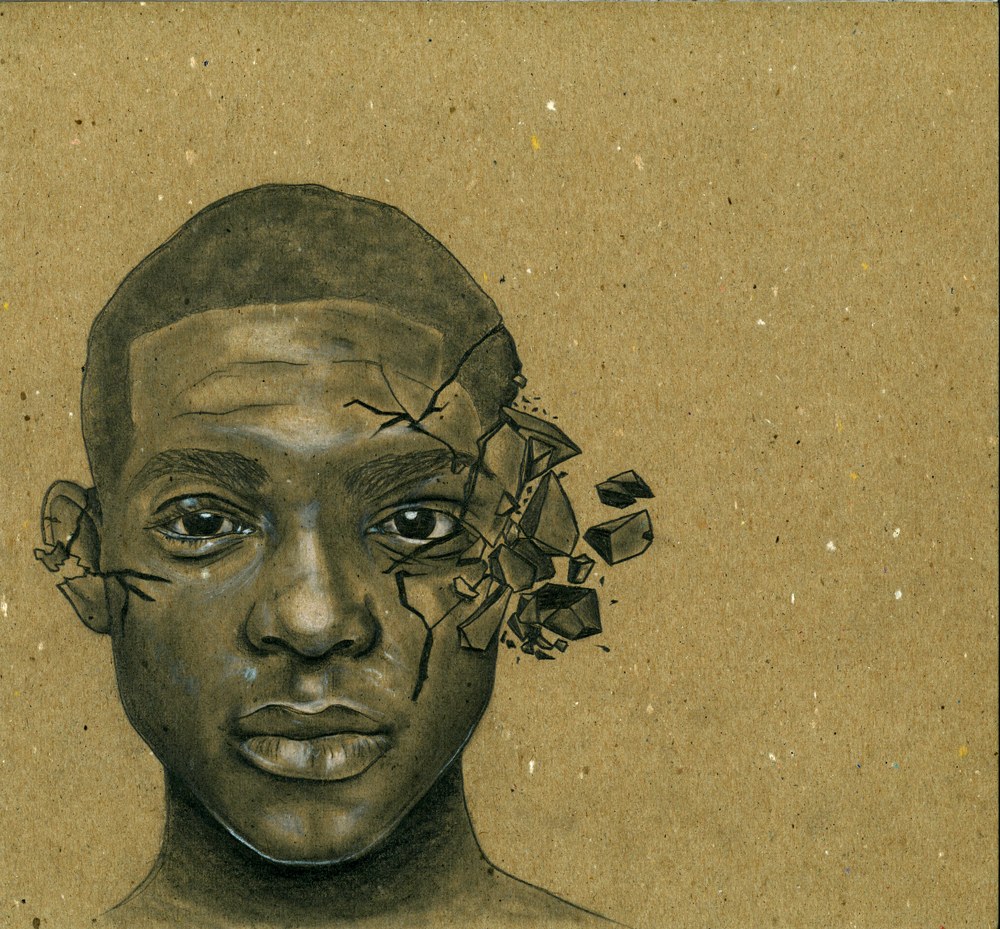
By addressing mental health through our art, we can speak for people who have been silenced or pushed to the margins. Sharing those experiences can offer recognition and understanding, both to us and to the people who encounter the work.
By addressing mental health through our art, we can speak for people who have been silenced or pushed to the margins.
Brian Tolbert
Healing in community
One of my favorite things about launching Forever Incomplete Art, the name my practice went by when I first started it, before it became Brian Tolbert Art, has been hearing how people connect with my work. I love listening to how someone interprets a piece, how it affects them, or how they see themselves in it. Each story creates another connection.
When I use my art to tell personal stories of loss, including the loss of my mother, I've found connection with people who know grief too. We can recognize it in one another while we keep moving toward healing.
Exhibitions, workshops, and community events can also create spaces for people to share stories, find comfort, and build supportive relationships. For me, art is one way Black artists can contribute to healing in our communities. When we share our stories, we make room for awareness, conversation, and connection.